










Avalon Acoustics
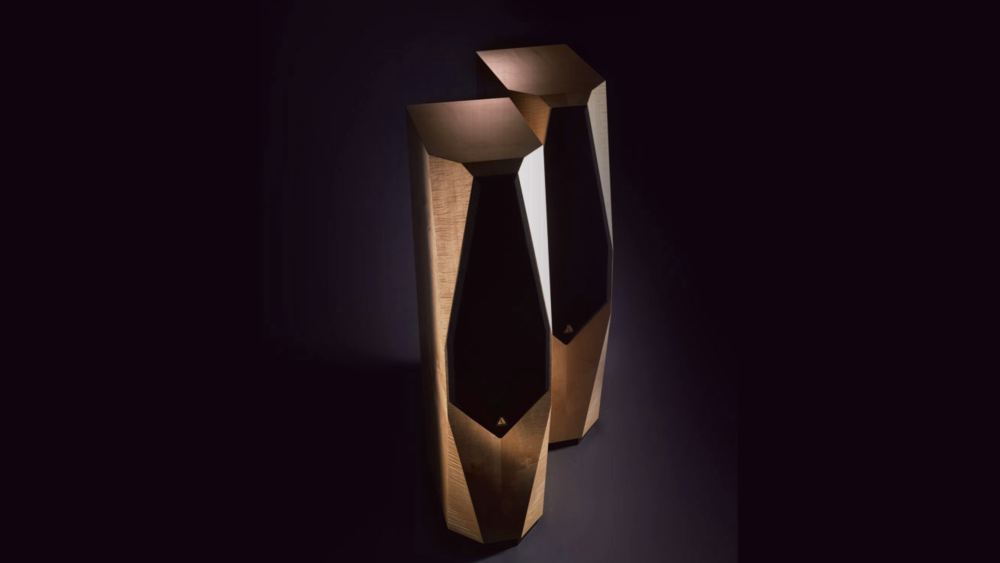
Avalon's philosophy is quite simple – ‘to build the finest loudspeakers possible, without compromise’
Avalon Acoustics are undoubtedly one of the world’s premier loudspeaker manufacturers, they are based Colorado, in the foothills of the Rocky Mountains. Avalon occupy what I would describe as a slightly peculiar position within the marketplace, they are highly revered the world over by those who have spent any time with them, but they tend to operate well under the mainstream radar.
The founding figure most associated with Avalon is Neil Patel, who has been the design voice throughout and remains so today.
What set them apart from the outset was an unusually rigorous, engineering-led approach at a time when a great deal of loudspeaker design was still fairly intuitive. He came at the problem from the direction of time rather than frequency — which sounds like a small distinction, but it couldn’t be more significant.
Most loudspeakers are optimised to measure well on a frequency response chart. Avalon’s premise is that this measures the wrong thing, or at least an incomplete thing. Their designs are built around time and phase coherence: the idea that the different drivers must arrive at your ears in correct temporal alignment, so that a transient — a struck piano note, a drum rim, a plucked string — reassembles itself in the air exactly as it was played, rather than smeared across a few milliseconds.
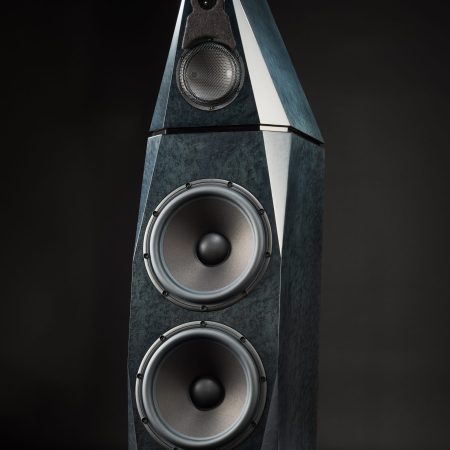
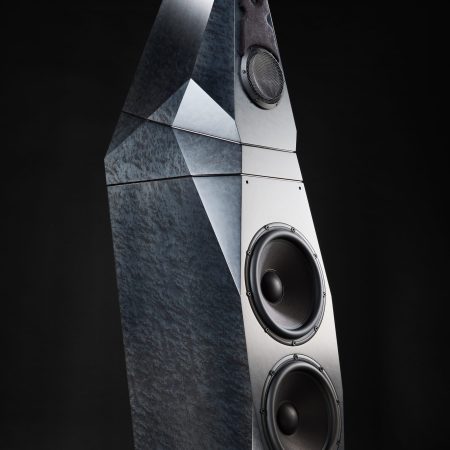
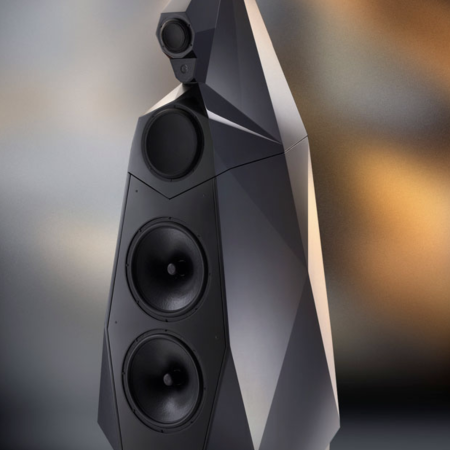
That’s the reason for the distinctive faceted cabinets, which are the visual signature most people recognise. Those angles aren’t styling. They’re doing several jobs at once: physically stepping the drivers back so their acoustic centres line up in time, and eliminating the parallel surfaces and sharp edges that cause diffraction and internal standing waves.
The crossovers are first-order where possible — the gentlest slopes, the fewest components, minimum phase disturbance. This is much harder than it sounds, because gentle slopes demand drivers that behave impeccably well outside their nominal operating band, and it puts enormous thermal and mechanical demands on them. It’s why Avalon have historically been so particular about driver selection and modification.
And the cabinets are genuinely superb objects. Multi-layer constrained damping, with veneer work of a standard closer to fine furniture than audio equipment. The finishes are one of the reasons ownership tends to be long-term — these are loudspeakers you can design a room around.


Why the reverence:
The imaging: This is arguably Avalon’s best party trick and it is typically the first thing that comes up in conversation. Time-coherent designs with low diffraction produce a soundstage of a particular kind — not merely wide, but genuinely three-dimensional and stable, with performers occupying specific, believable locations in space. Once you’ve heard it done properly it’s very difficult to go back to speakers that paint a flat picture.
The consistency of philosophy: Forty years on, an Avalon is still recognisably an Avalon. They haven’t chased fashions – no marketing-led driver technologies, no reinvention every three years or cabinets made from some rare un-obtanium material. This kind of continuity earns a lot of trust in a industry with rather a lot of noise in it.
The longevity of ownership: Avalons get kept. You see far fewer of them changing hands than you’d expect for the numbers built, which tells you something about how people feel once they’ve lived with them. Whenever a pair of Avalon’s get traded in you can almost always guarantee that the customer is moving further up the range.
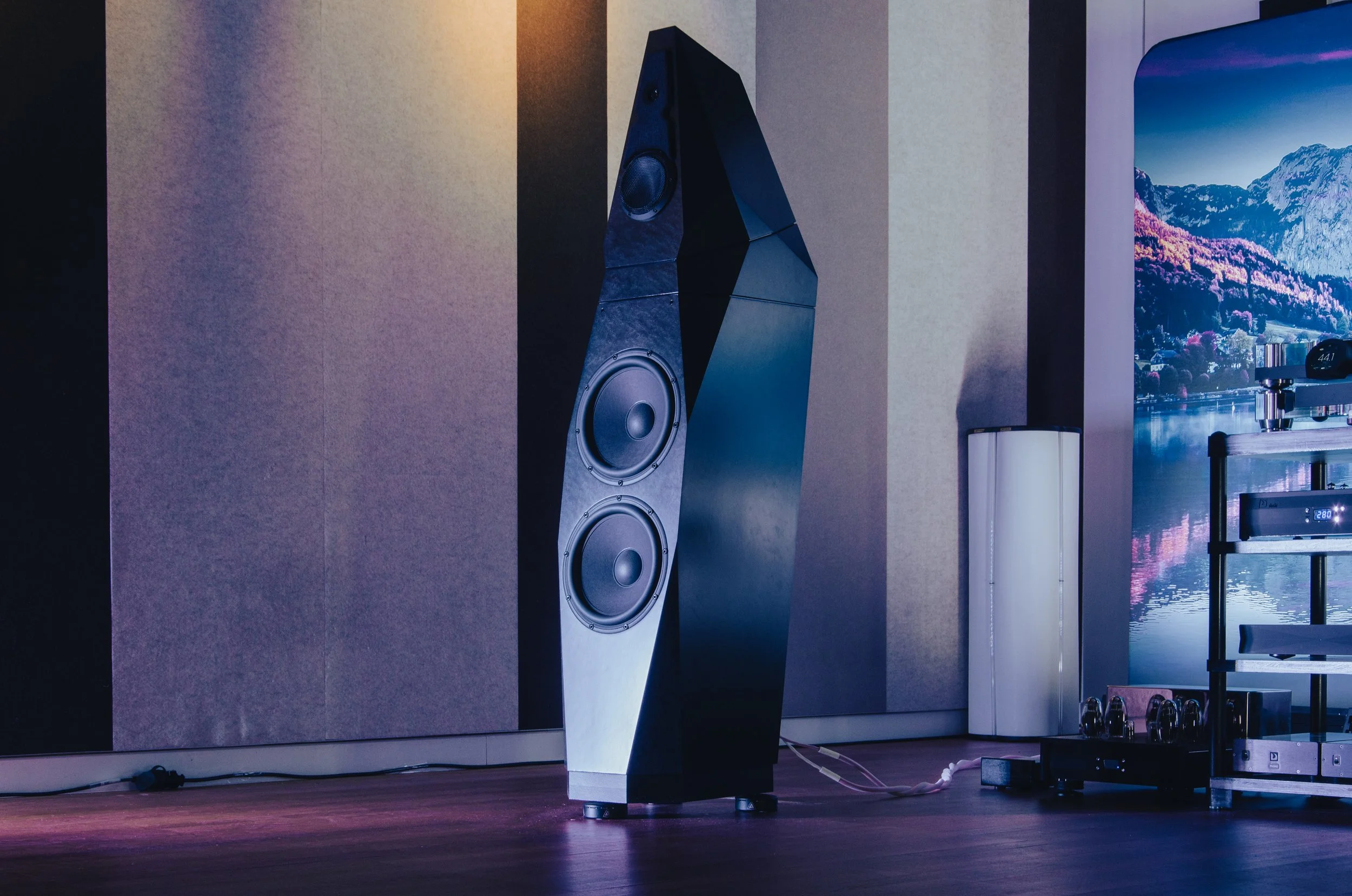
A couple of honest caveats
Avalon loudspeakers are revealing. They will show you the character of everything upstream, unsparingly. Feed one mediocre electronics and it will tell you so.
When building a system I’d consider this a virtue if you’re doing it properly as you’ll get hugely rewarded, but it can be a liability if you’re not.
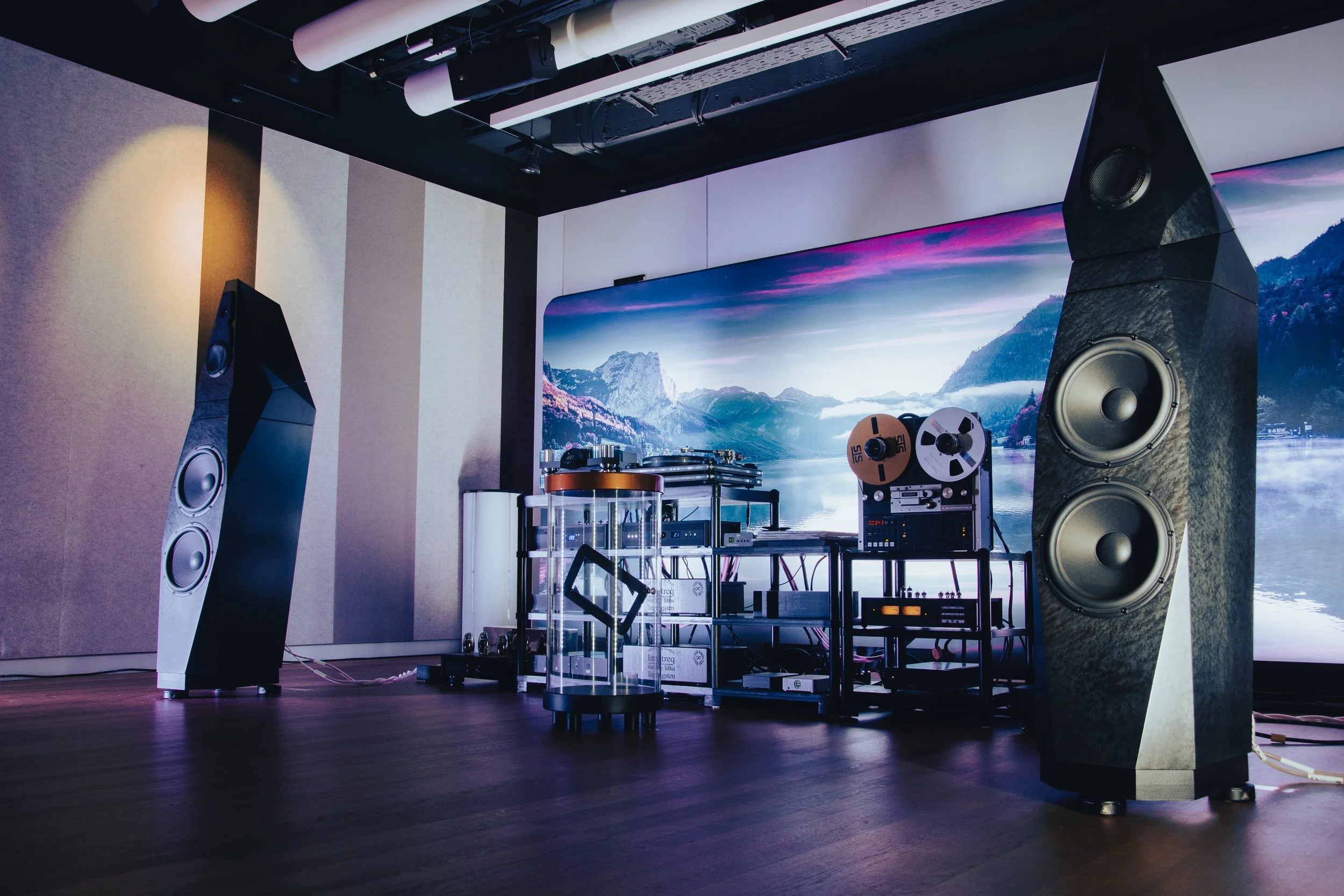
They require good amplification — not necessarily enormous power, but quality and current capability. Vitus has always been our go to amplification brand to partner with Avalon, the combination of control and tonal density dovetails beautifully with the Avalon’s honesty and slightly demure character.
T+A HV is another brand that can show off Avalon really well and I’m looking forward to putting Avalon and Doshi together once my demonstration stock has arrived.
Avalon will reward careful setup as much as any speaker I can think of; the imaging that makes them special only fully materialises when the positioning is optimised, there are a speaker that you cannot just position in the spot where your existing speakers were located, they require some effort and love, but they will reward you immensely when they are dialled in correctly.
They’re also not the speaker for someone who wants to be flattered. There’s a truthfulness to them that some people find slightly austere on first hearing, particularly if they’ve come from something warmer and more forgiving. It tends to be a preference that deepens with time rather than one that hits immediately. Instead an Avalon will slowly draw you in and seduce you over time.
The current Avalon line up starts with PM1.2, moving up to PM2.2, PM3.2 and PM4, then above the PM4 there is the Isis, the Saga and the flagship Tesseract.
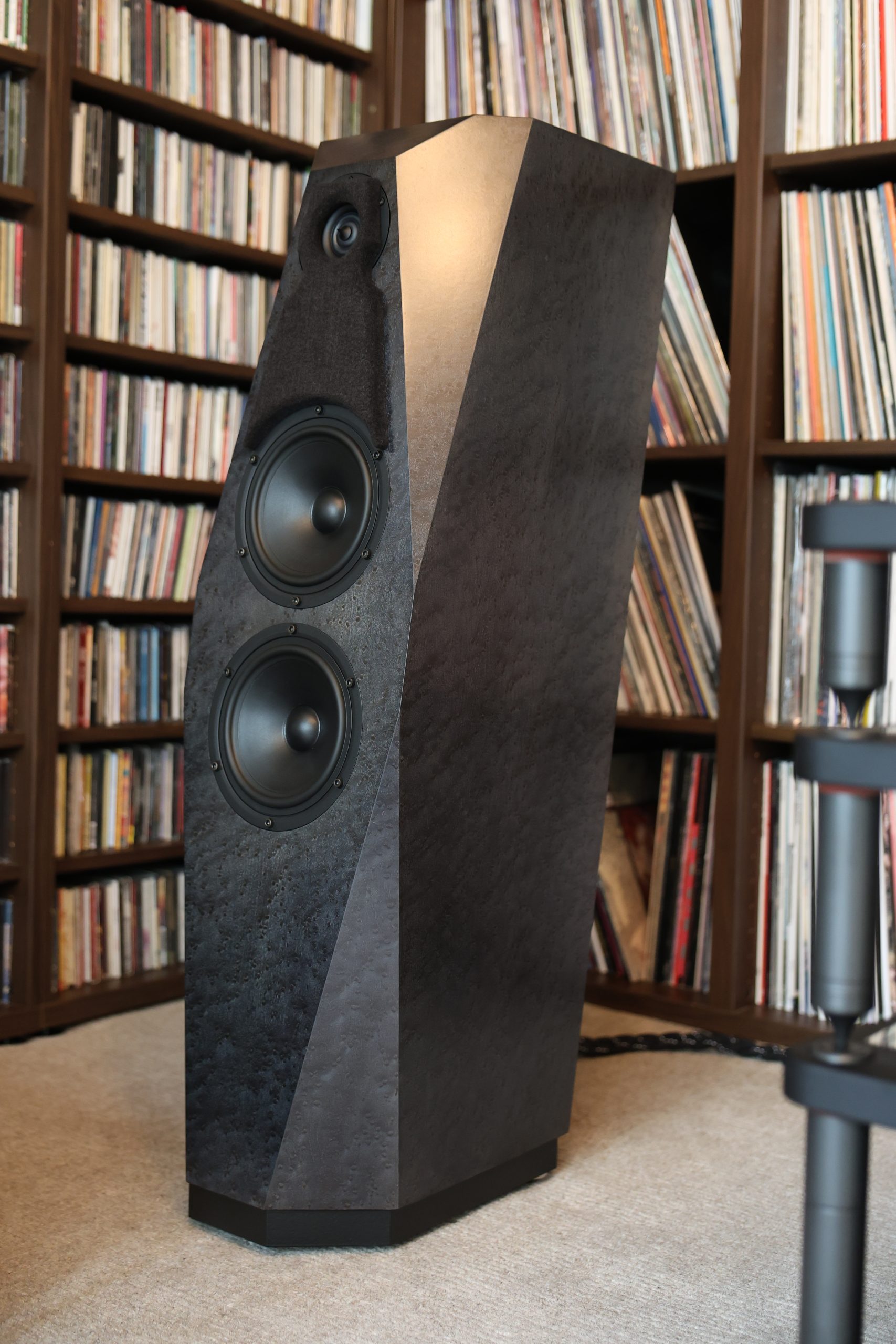
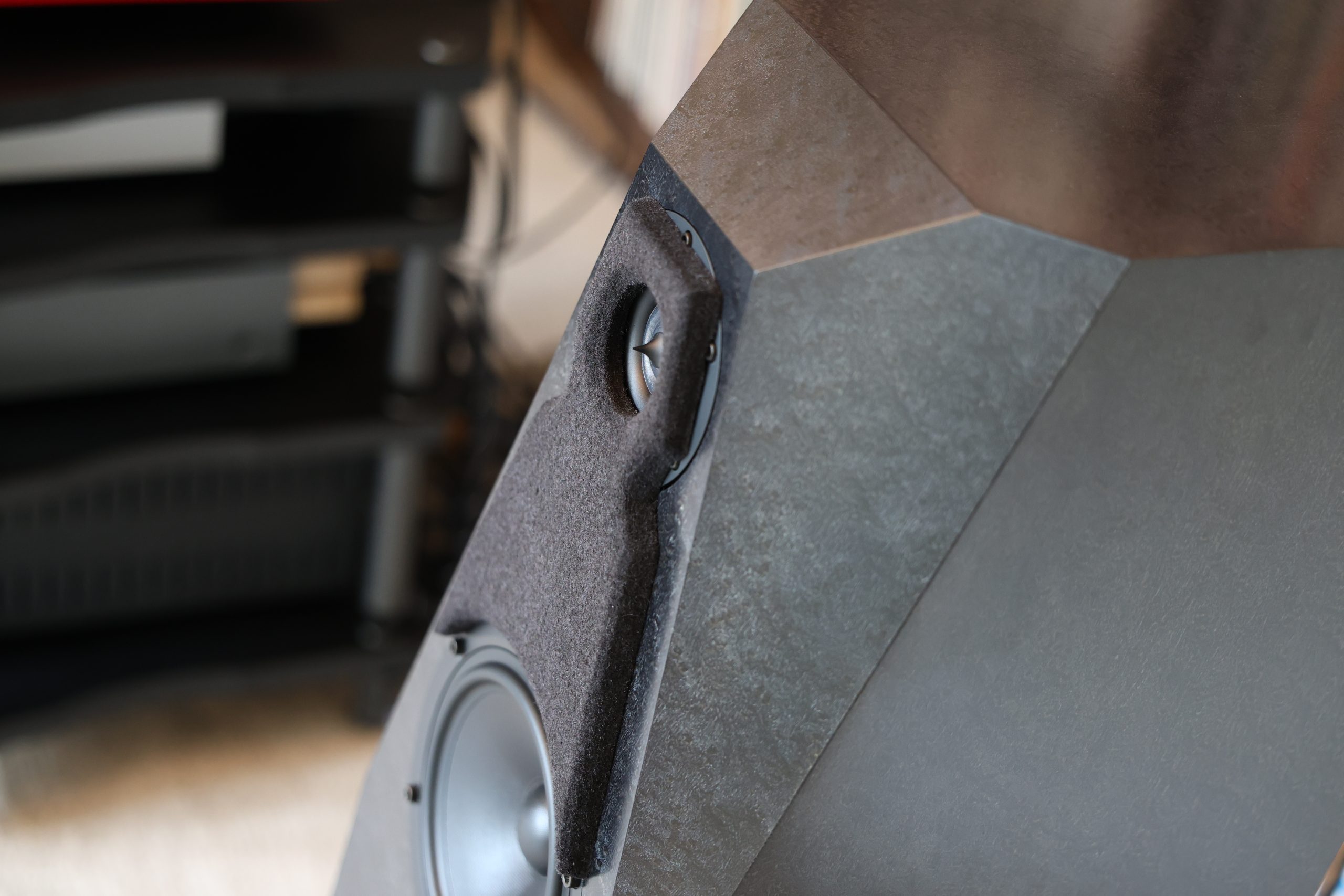
The PM1.2 are £22,000 a pair and as Avalon’s first model this has been the speaker in the range which has received the most attention.
I wouldn’t describe them as a particularly large speaker and most typical UK living rooms should accommodate them without too much fuss, but if you give them space to breath in a larger room they can elevate themselves to a much higher level of performance and they are one of those products that can withstand the system around being dramatically upgraded and the PM1.2 will simply keep responding and improving. You really have push a system a long way for a pair of PM1.2 to become the weakest link.
All of the Avalon models really get on well with Stillpoints and the PM1.2 is no exception. The Ultra 1 S 2024, Ultra 5 or Ultra 7 are suitable to use under PM1.2 and each of them increase the ability of the Avalon no end. They increase resolution, space and clarity and allow the depth to reach new lows whilst being much more articulate at the same time. You simply get much more from the speaker as you progress up through the Stillpoint models.
Precison Monitor Range


Signature Range