










16th September 2026 · Kroma Atelier
Kroma Atelier: Thaïs & Leonore – Now on Demonstration
Kroma Atelier are not a particularly well known name in the loudspeaker industry.
But, they have worked tirelessly to increase brand awareness and over the course of the past 12 months or so there has definitely been an increase in interest and enquiries, web traffic relating to Kroma is constantly on the rise and they are starting to make a something of a name for themselves across the global hi-fi show circuit which is great see.
The last 2 Munich shows in 2024 and 2025 featured Kroma speakers across multiple rooms and this year the inaugural High End Show in Vienna was no exception with Kroma being used in 5 different rooms.
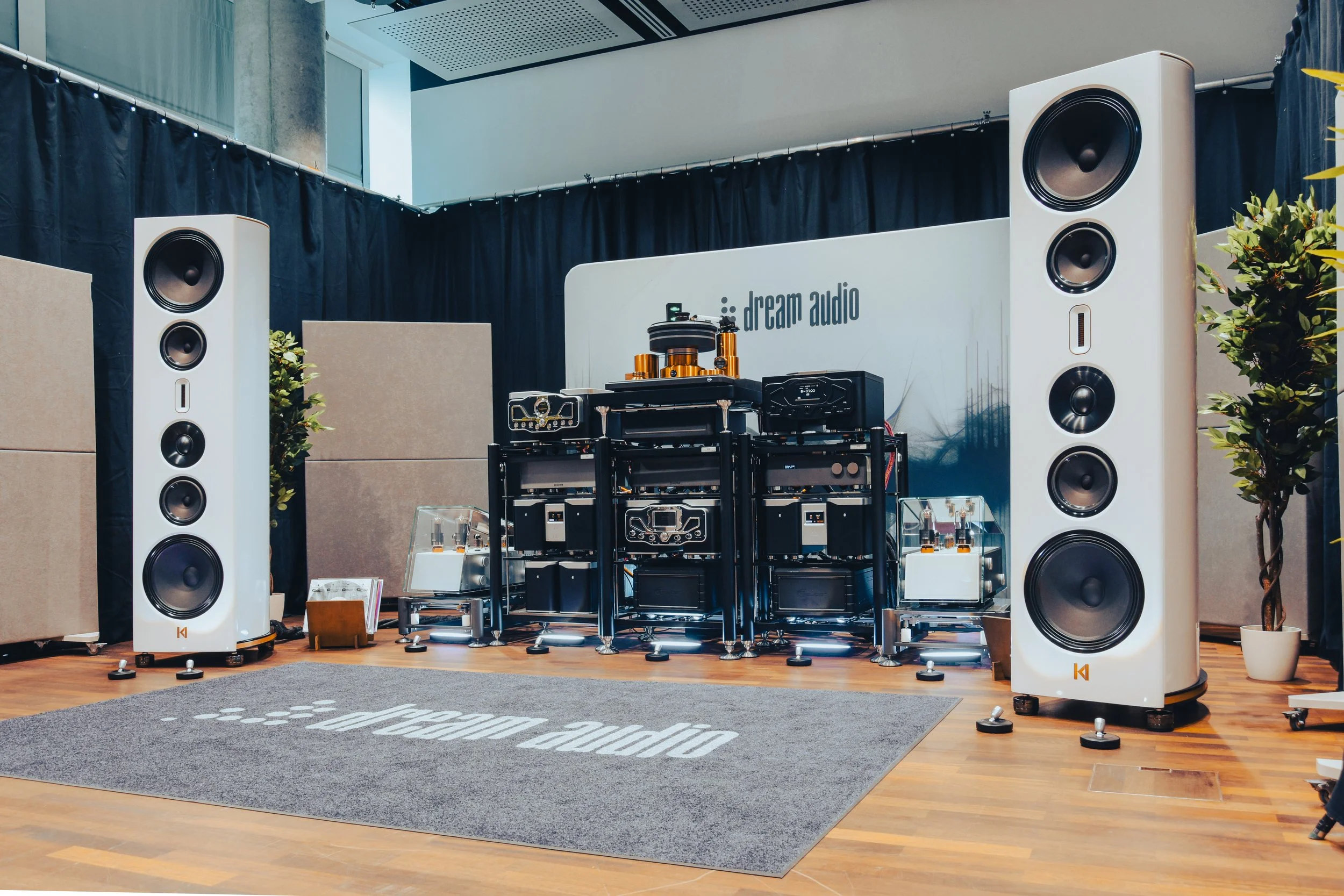
The Audio Show Deluxe in the UK has also had a significant Kroma presence over the past few years as well, thanks in no part to the commitment and drive from Boyer Audio, the UK importer of Kroma Atelier.
Boyer Audio have shown off a different Kroma model at each show and this year the imposing Callas took centre stage in their usual large corner room and they certainly didn’t disappoint. This year for the first time Boyer also commissioned a second smaller room and created a slightly more accessible system in a space that was more in line with a typical UK living room. The Thaïs were used in this room and the feedback that was received both during and after the show was superb.
In terms of Kroma Atelier here at AudioTherapy the entry level Mimi has been our sole focus to date. They are a sensational little loudspeaker which are very room friendly, not excessively large or difficult to drive, but they offer a generous slice of high end performance. In time we have had them here they have taken many by surprise with their charms and abilities.
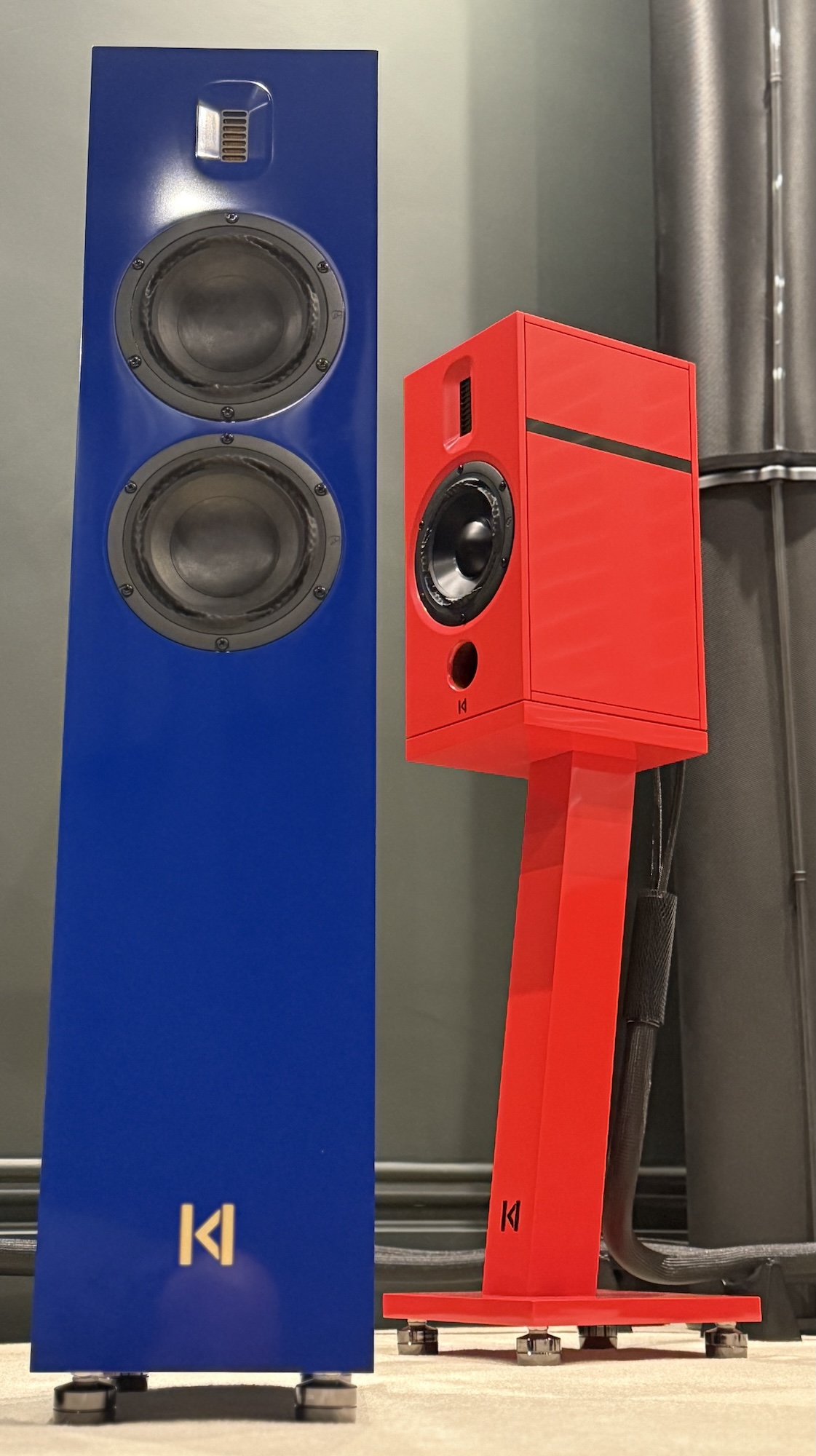
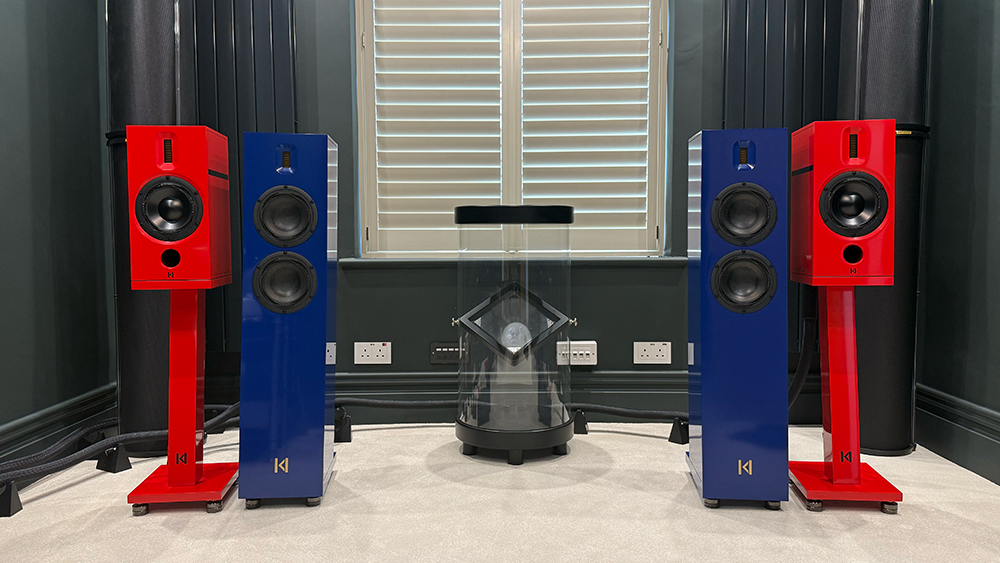
In order to get behind Kroma further earlier this year I made the decision to expand the selection of models I keep on demonstration and ordered a pair of Thaïs – the model above the Mimi in the Classic Series and the Leonore – the first model from the Signature range.
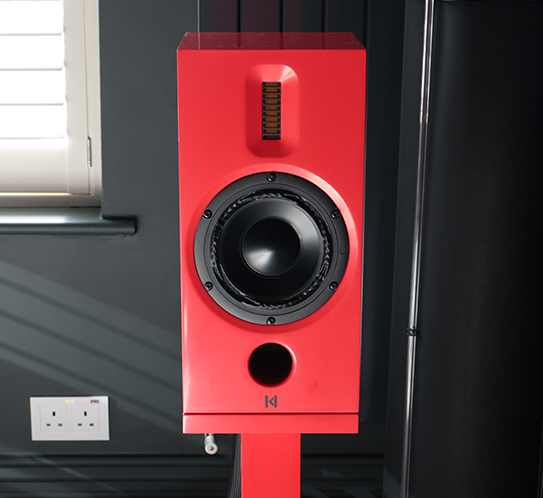
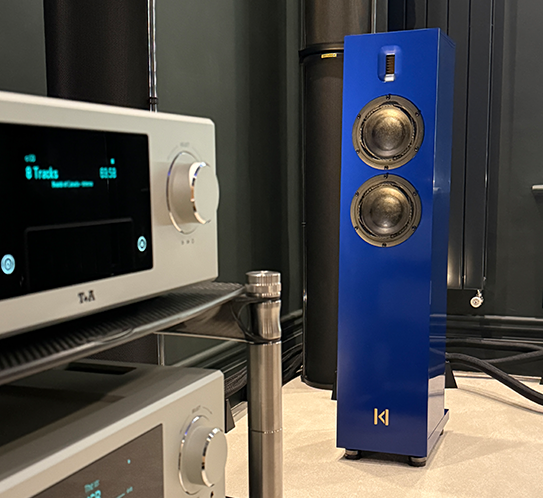
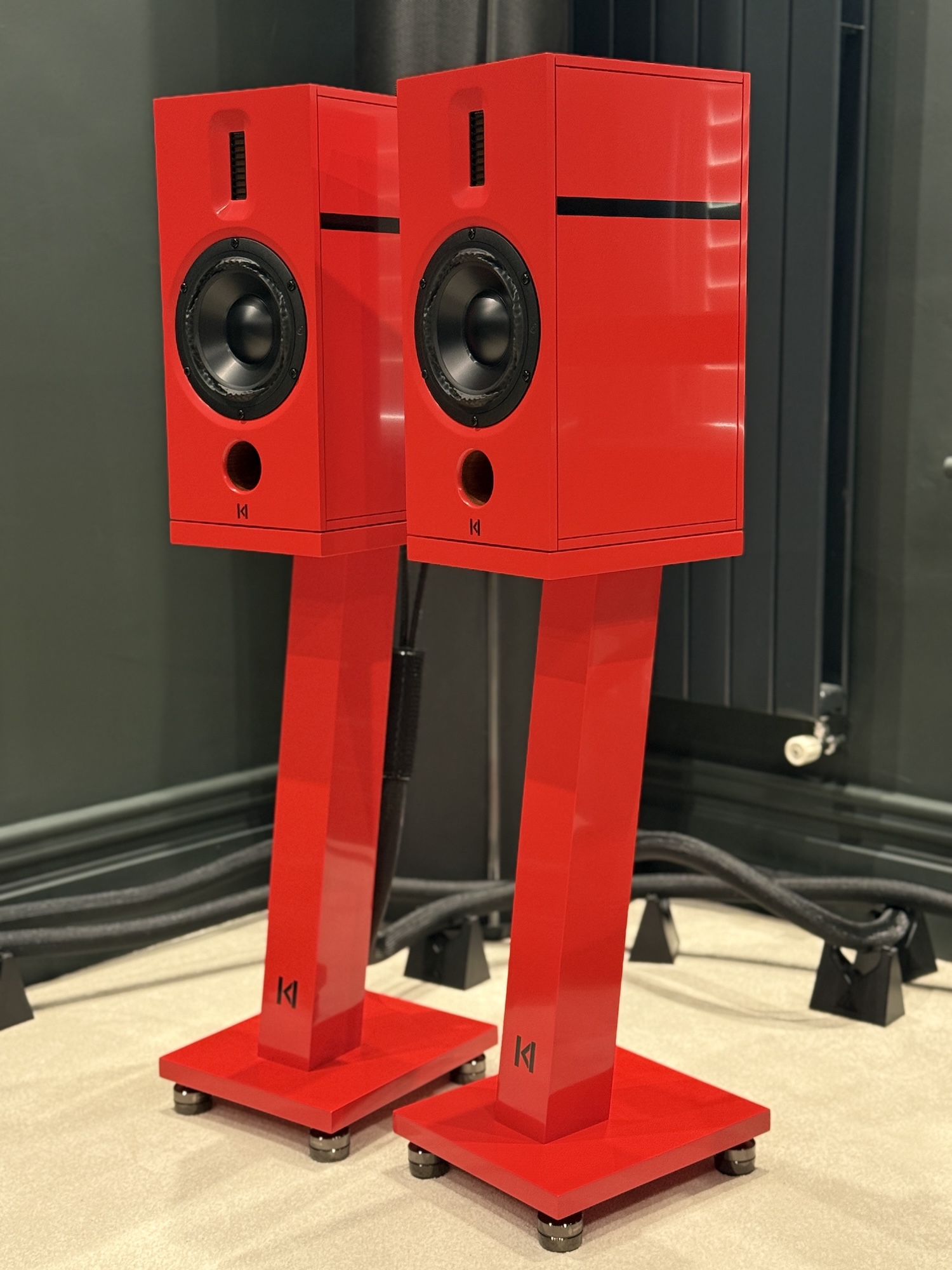
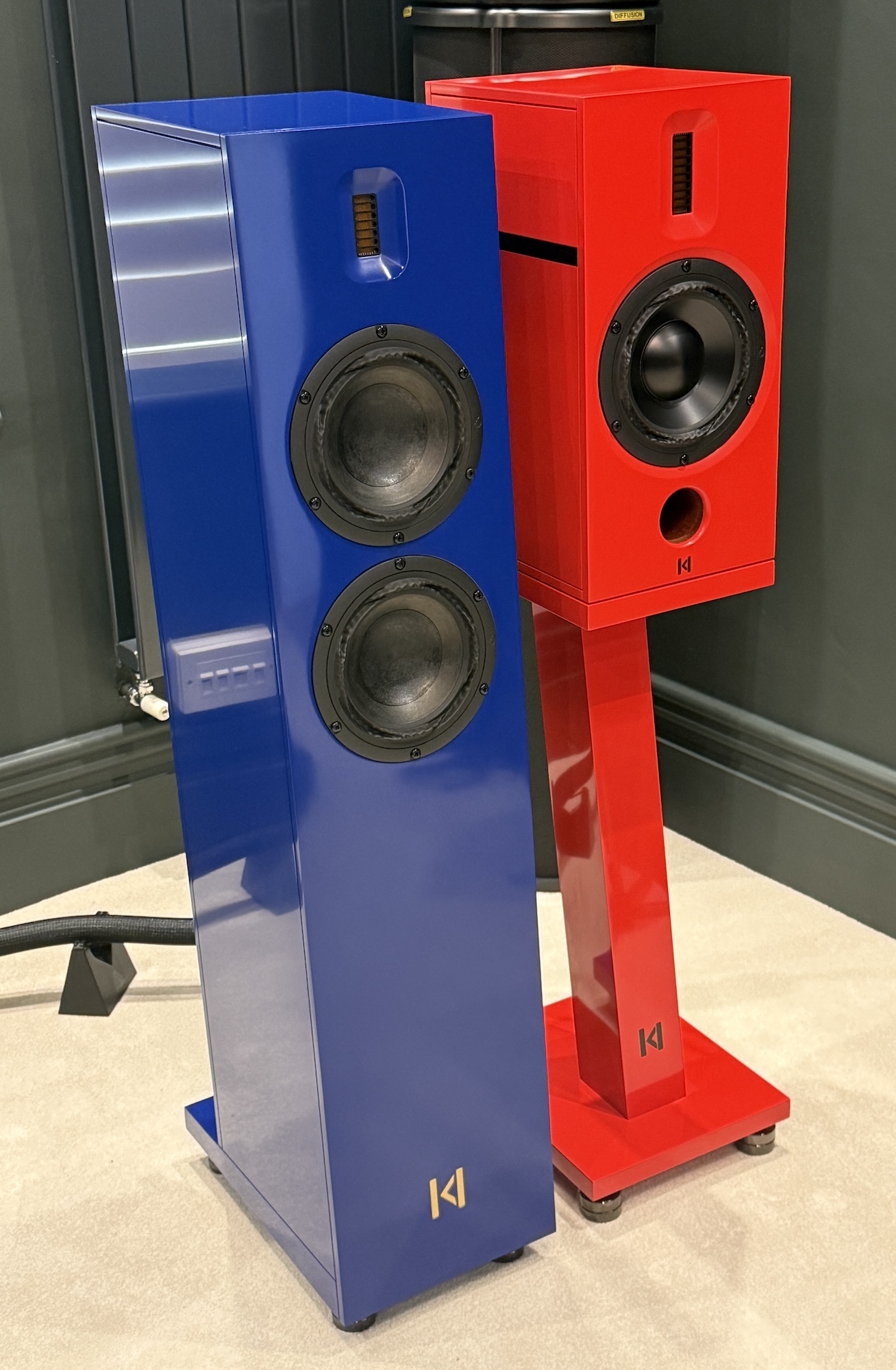
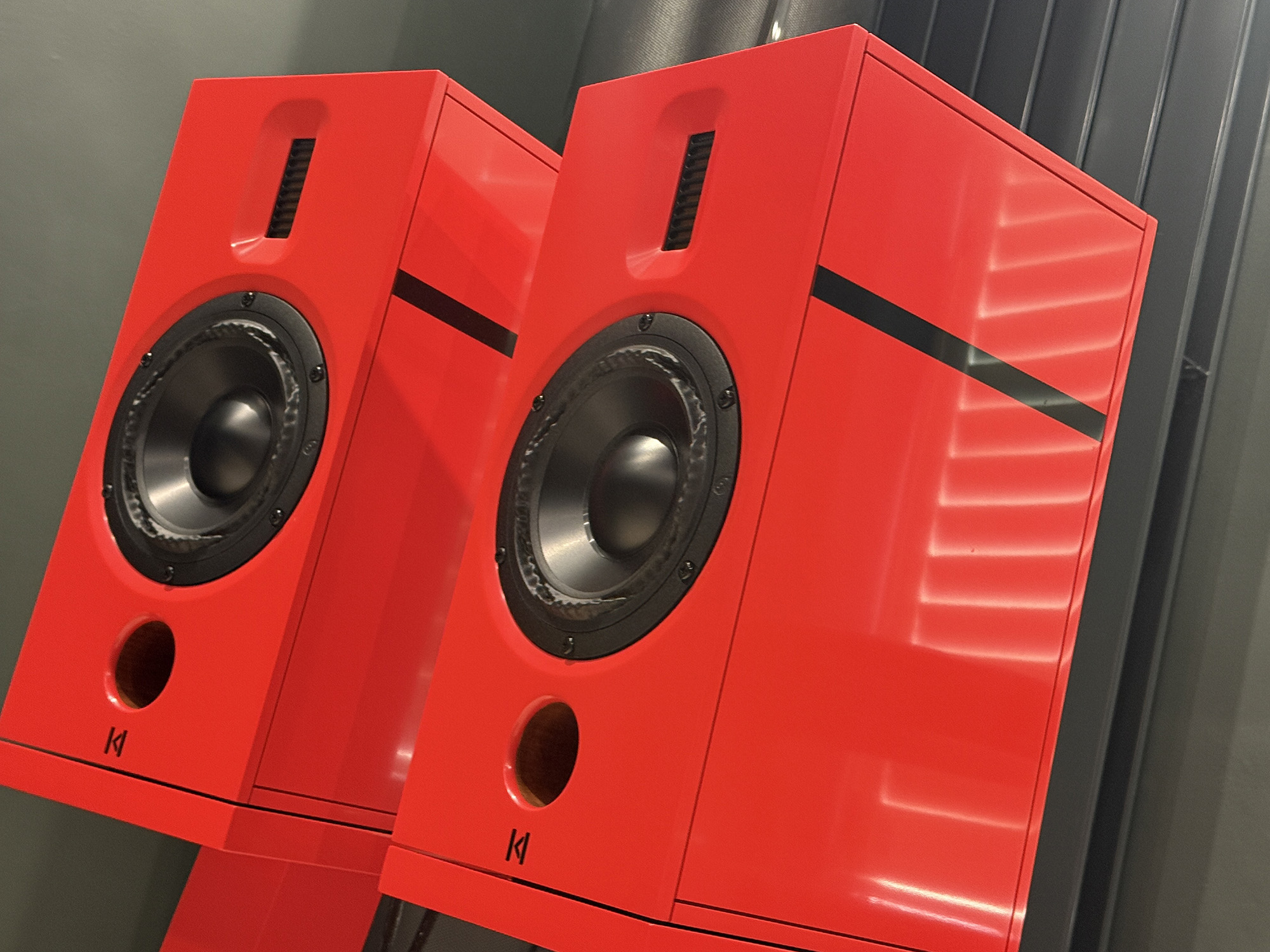
I wanted to make something of a statement with these new additions so I ordered the Thaïs in a striking Ocean Blue finish and the Leonore in Ruby Red – as far as I’m aware these are the only Kroma speakers in this finish that exist anywhere in the world so a bit of a coup which is nice.
A bit of back story…..
I wrote an extensive blog about the Mimi last year which went into a lot of detail about that speaker and Kroma in general, but here is a bit of a recap for those not familiar.
Kroma are based in Granada, in the foothills of the Sierra Nevada in southern Spain. They are a small family operation and the design lineage behind their speakers comes from a father and son team who have the best part of half a century in speaker design between them. Their own explanation for why they started is a good one: they felt that too many reference loudspeakers, however accomplished, were adding a layer of artificial colouration on top of the recording rather than getting out of the way of it.

Kroma Atelier was their answer to that — a range of loudspeakers built to sound like the real thing in the room and this really comes across when you listen, their design places focus on warmth and emotion rather than a purely analytical sound. Kroma translates roughly to ‘purity of tone’ which is quite apt.
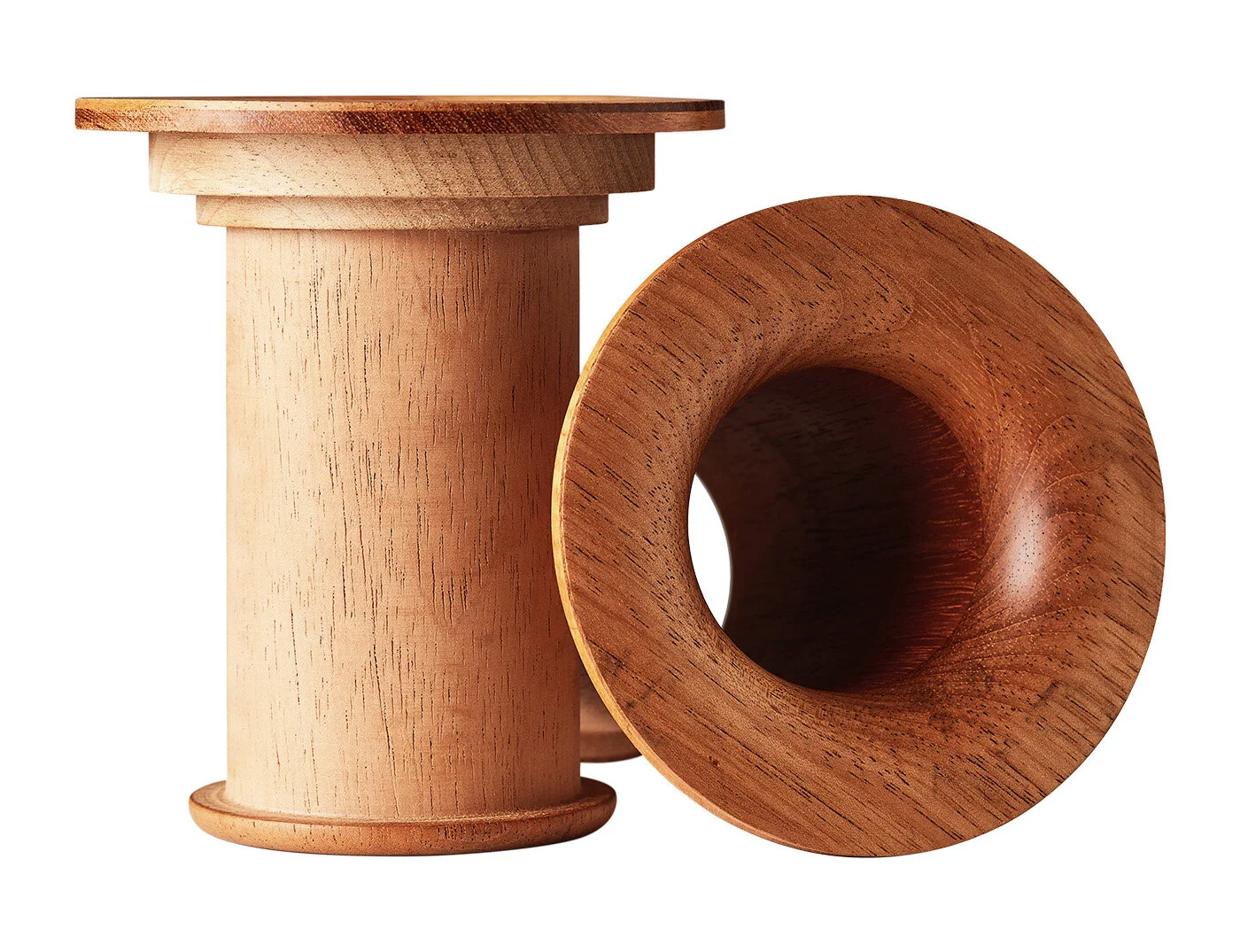
This philosophy shows up in some arguably unusual engineering choices. There isn’t a single piece of metal anywhere in the cabinet construction — no metal screws in the chassis, the crossover, or the driver fixings – because metal can resonate and colour the sound in ways Kroma have chosen to design out entirely. And rather than moulding a generic bass port, they commission a Spanish guitar luthier to hand-carve each one from cedar or fir, tuned individually to each model, the same way you’d tune the bracing on an acoustic guitar. Attention to detail at this level costs them far more than it needs to, but it tells you a lot about the company and how they run things.
The most obvious Kroma signature is the cabinet itself, manufactured from a material called Krion™, it is roughly two-thirds a natural mineral, which gives the speakers an almost stone-like surface and critically it is very well damped.
The density, thickness and malleability of Krion™ makes it an ideal material for manufacturing loudspeakers. It is completely non-metallic and non-magnetic, acoustically dead and an entirely non-porous substance. Also the way in which Krion™ eliminates traditional joints means it can reduce unwanted noise in the cabinet by up to 14dB.
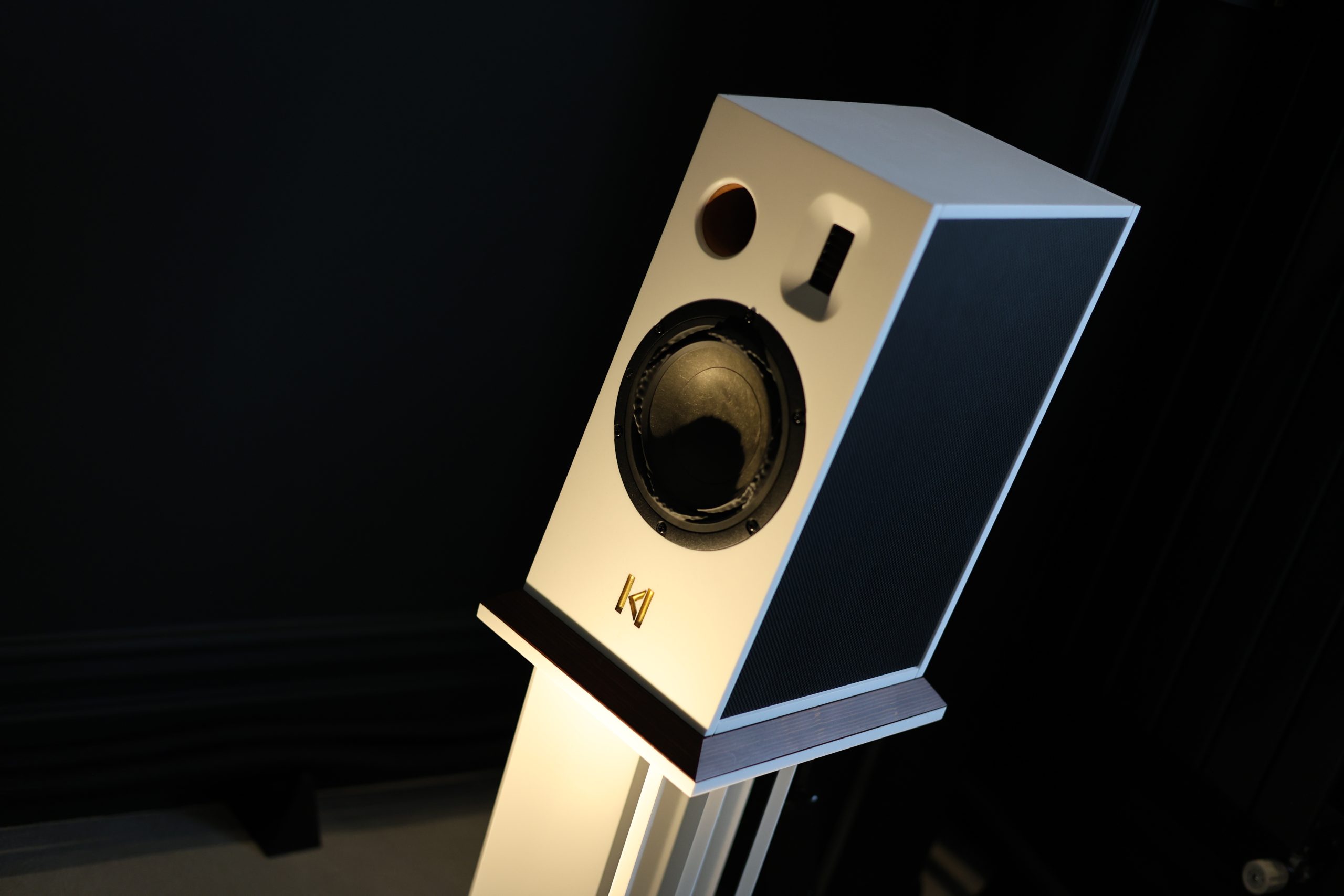
Krion™ can be moulded and finished in ways wood simply can’t, which is why you can specify these cabinets in anything from classic white with inlay side panels of carbon fibre, titanium or aluminium. Plus there are options for coloured Krion™ and also painted Krion™ finishes.
These are speakers which are not turned out in high quantities. Everything is built by hand and this shows in the exquisite quality of the finish.
Within the wider Kroma model line-up there are 3 distinct ranges – Classic, Signature and Reference.
Thaïs: Built to Disappear
The Thaïs is named after an opera written by the French composer Jules Massenet and it is the first floor-standing speaker in the Classic range. The Thaïs is best understood as what happens when you take everything that made the Mimi so strong and give it room to grow. Standing at just a metre tall the Thaïs is a good size, but it remains compact enough to sit comfortably in a normal UK living room without it taking over.
The cabinet is rear-ported, so it does appreciate some space from the back wall, but it is not a particularly difficult loudspeaker with regard to placement.
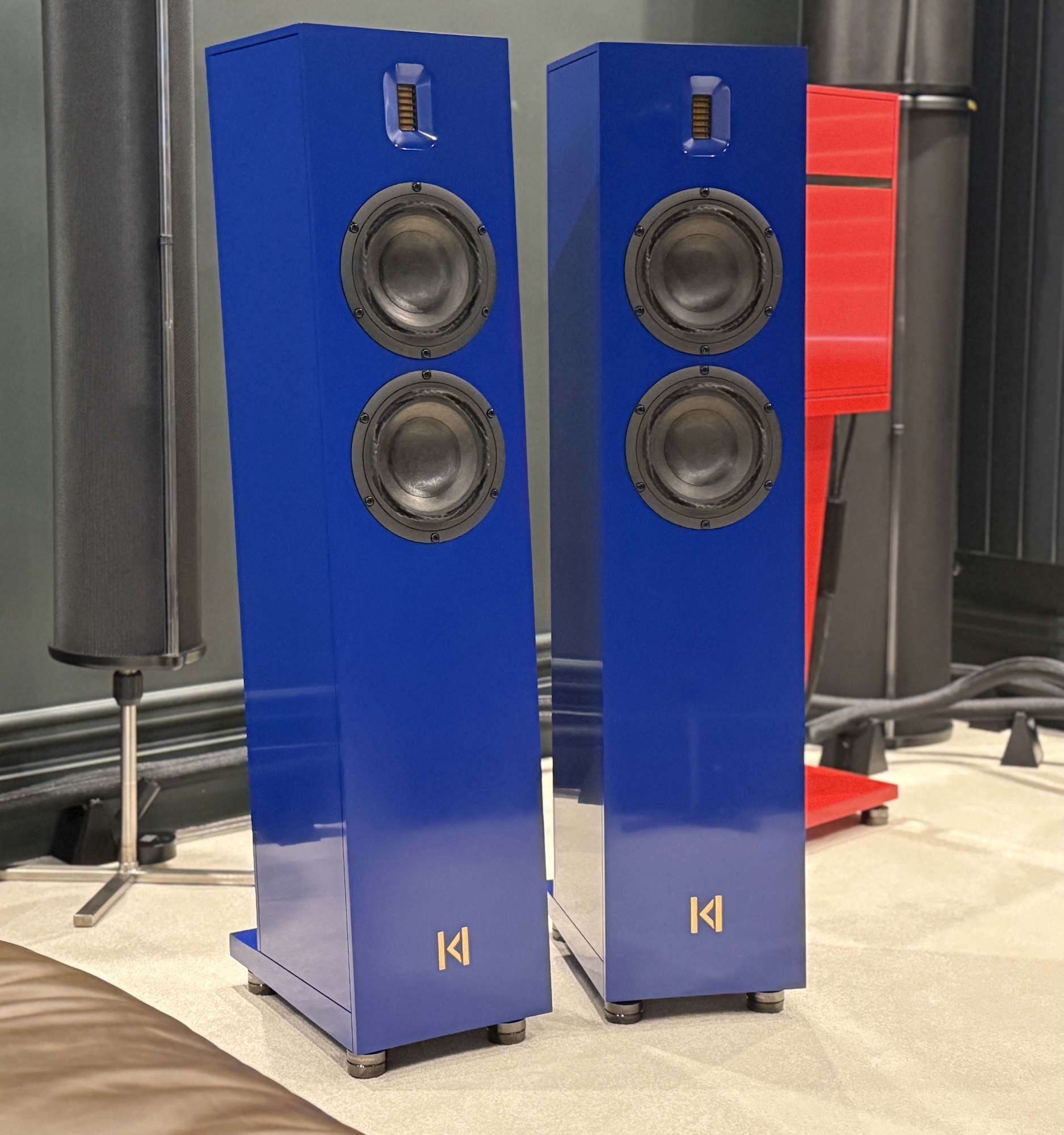
The Thaïs uses the same AMT (Air Motion Transformer) tweeter as the Mimi, which is manufactured by Mundorf. This unit essentially works like a harmonica, compressing and expanding the sound and it has a detailed and beautifully sweet presentation.
Below the AMT are a pair of 6.5 inch Purifi mid/bass drivers, these are actually the same drive units which OePhi use in their Transcendence, Immanence and Reference models.
These Purifi drive units have a rather distinctive surround and quite a few people have asked if they have been damaged when they see them up close for the first time.
This uneven surface is by design and it has a sonic purpose, which is to dramatically reduce harmonic distortion and improve linearity. As a drive unit moves in and out its effective surface area will change and this design keeps the surface area consistent with excursion.
The baffle of the Thaïs is tilted backwards, to aid time alignment of the drive units, this also helps minimise standing waves inside the cabinet.
Sensitivity is rated at 90dB and Kroma quote a recommended power range of 30 to 300 watts. These speakers don’t require a monster amplifier to get them to come alive and as ever the quality of the watts is much more important than the quantity of them – something capable is highly recommended.
The additional cabinet volume and that extra drive unit in the Thaïs translates into real scale and low-end extension that a stand-mount design like the Mimi simply can’t offer. It’s important to note though that nothing about moving up to the Thaïs has diluted what made the Mimi work so well it still remains a hugely capable and enjoyable speaker and is one of my favourite smaller loudspeakers.
Thaïs: at Vienna High End 2026
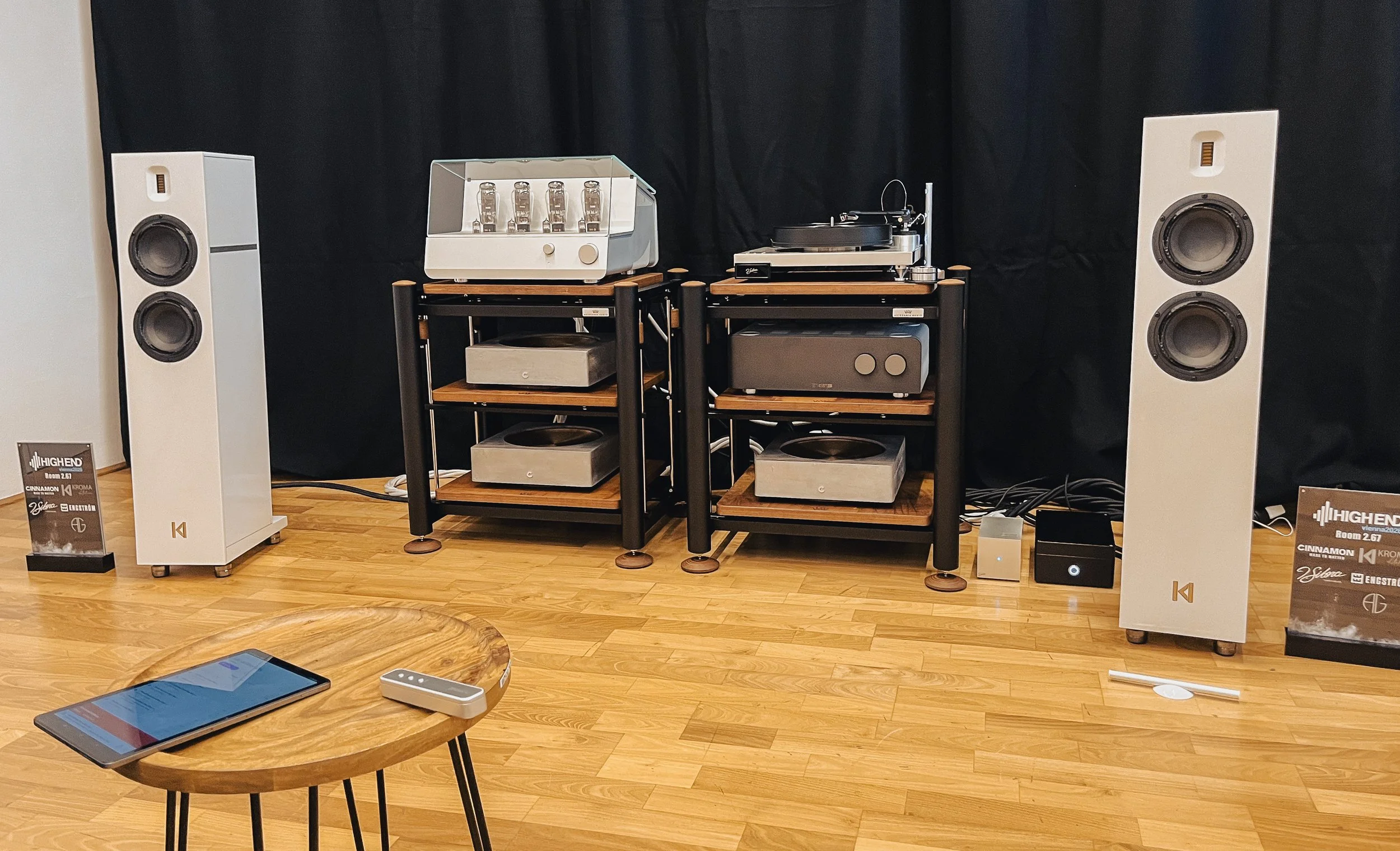
At the High End Show in Vienna this year the Thaïs were used in a very sensibly sized room on the top floor. They were in a system with the Engström Arne Integrated Amplifier, which was partnered by the Cinnamon Audio Galle Model 2 DAC with its matching dedicated server.
This was easily one of my favourite systems I heard across the entire show and I visited the room multiple times over the 4 days and each time I was more and more impressed by what I heard.
Like the Audio Show Deluxe this was another superb example of the Thaïs being used to great effect in a room that wasn’t the size of a sports hall. I’ve plenty of customers who have a living room that is a similar size room used here and it was very much a real world room.
The standard finish of the Thaïs is classic white Krion™ which are priced at £22,950 a pair, the coloured Krion™ finishes adds £1085 to the price.
Leonore: a small speaker with big ambitions
The Leonore is named after the heroine of Beethoven’s only opera, Fidelio and it is the first model in Kroma’s Signature Series.
At just 42cm tall (21cm wide and 25cm deep) the Leonore is a fairly compact speaker and Kroma have clearly set out to make something which overdelivers for its size. Weighing in at 18kg the Leonore is not unsubstantial when you pick one of them up, the engineering behind them is a step beyond the models from the Classic Series.
They utilise a larger AMT ribbon compared to the Thaïs and Mimi and they feature a superior single 6.5 inch anodised aluminium Purifi mid/bass driver (the Classic series uses paper-fibre drivers)
The crossover of the Leonore has been significantly uprated compared to the Classic range with the use of Mundorf and Dueland components.
Leonore are priced at £16,500 a pair in the standard Krion finishes, coloured Krion adds £1300 to the price and the matching stands are £4295.
Thaïs & Leonore: Listening Impressions
Both speakers sound exquisite in the demonstration room. All Kroma speakers have a beautifully natural presentation, full of seduction and emotion, they are a very easy speaker to get under your skin and are very addictive.
Kroma are voiced a degree of 2 on the warmer side of neutral, but these 2 loudspeakers both possess superb transparency, nothing is missing and they both have that rare skill of being able to truly disappear in the room leaving you with a huge 3D holographic soundstage. There is no hint of the cabinet or drive units left in the final sound either.
The Thaïs is a physically larger loudspeaker than the Leonore, the bass extension and weight is extensive, but it never bloats the presentation or makes them sound slow or heavy, they still have all of the speed and agility that the smaller Mimi offers.
A couple of my fun test tracks for testing bottom end are ‘Inferno’ and ‘Ratchets’ by Hedegaard and the Thaïs certainly doesn’t disappoint, the bass has incredible texture and articulation, but it’s never at the expense of detail or speed. Switch to something more gentle and relaxed like ‘Song For Our Daughter’ by Laura Marling and the presentation has incredible delicacy, insight and elegance.
The Thaïs are a speaker that confidently stand shoulder to shoulder with alternatives like the Avalon PM1.2, the OePhi Reference 3.5 and the Vimberg Mino.
So where does the Leonore fit it into this?
In theory the Leonore is a ‘superior’ speaker to the Thaïs, albeit one which is less expensive and smaller which almost seems counter-intuitive.
The Leonore is a different kind of step up – it’s a smaller speaker for a start, although its front ported design makes it incredibly flexible over positioning, but although smaller it’s no less of a speaker, quite the opposite in many ways.
The Leonore is incredibly revealing and transparent and it possesses extra focus and resolution than the Thaïs, but they still retain that wonderful Kroma hallmark of having a touch of warmth and richness running through them.
Feed it a more complex piece of music, one example was ‘Stagger Lee’ from Murder Ballads by Nick Cave (which is far from an ‘audiophile’ recording) and the Leonore unravels it effortlessly without ever sounding aggressive. Another good test track was ‘Dance Yrself Clean’ by LCD Soundsystem.
For me the Leonore’s best trick is the way they simply disappear, I even would go as far to say that they image as well as anything I’ve ever experienced in my demonstration room. They play music with real ease and the level of engagement is something else.
Bass weight and extension from the Leonore is excellent as well given their size, but if you demand more drama, scale and weight from the your music the Thaïs could potentially be a better option for you.
Building a system around Kroma
In terms of partnering electronics Kroma are a joy to work with and they match up beautifully with Vitus Audio, Soulnote and T+A HV.
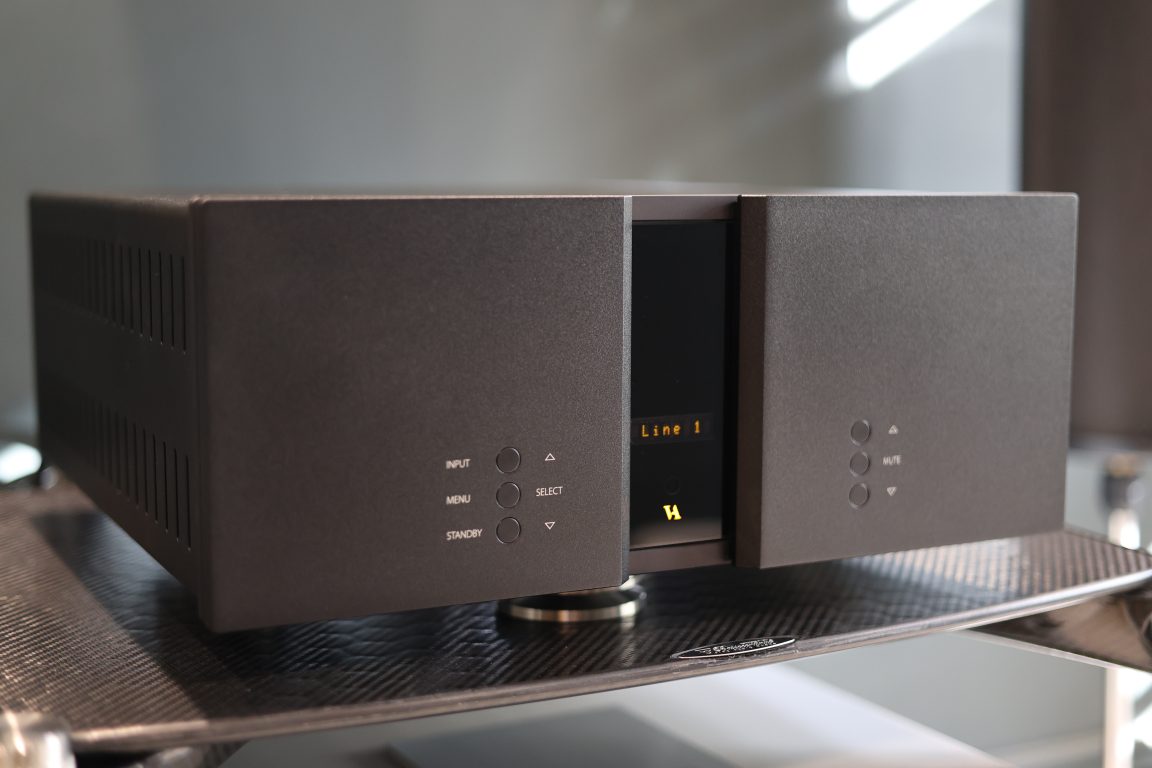
A Vitus RI-101 mk2 partnered up with both the Leonore and the Thaïs is superb, they dovetail together really well and offer superb performance. The Vitus has consistently been such a strong amplifier and when partnered up with a Kroma it creates something which almost makes you question the need to take things further. But of course there is always more – and from Vitus you of course have the SIA-025, another strong option and one that has greater allure about the way it presents the music compared to the RI, when in Class A the 025 is incredibly compelling. I’ve placed just as many SIA-025 as I have the RI-101 and it’s a different flavour, but just as strong.
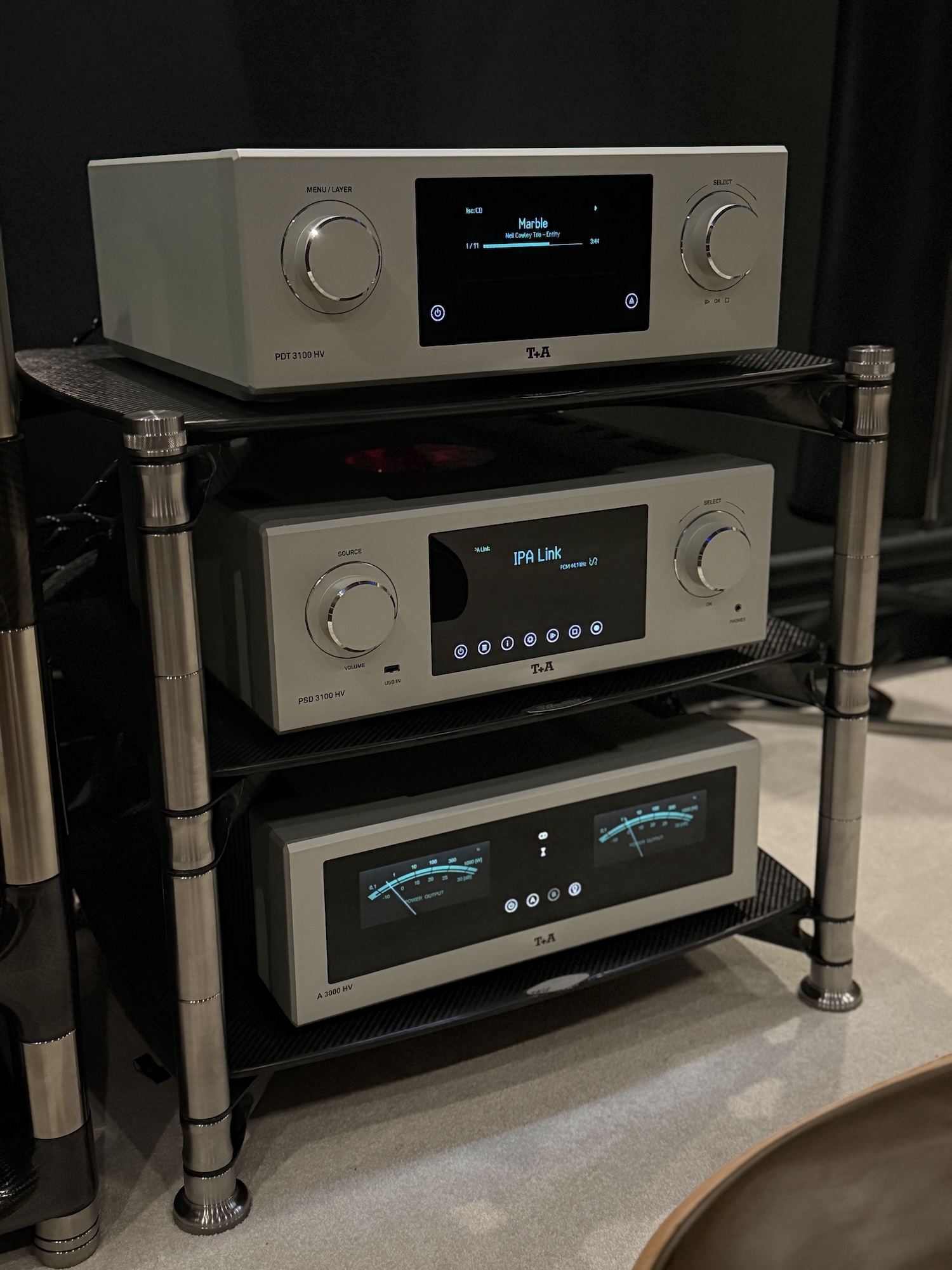
From a T+A perspective I used the PSD-3100 and A-3000 which again was a really strong combination. The PSD is a DAC/Streamer and Pre-amp and the A-3000 is a 300 watt stereo power amplifier.
This pairing presents the music with a little more energy and vibrancy than the Vitus options, which were a little more refined in comparison. Some customers will prefer the energy and drama the T+A offers, whereas other will prefer the slightly more reserved Vitus.
I’d suggest that the Leonore partnered with the Vitus and the Thaïs with the T+A are the most rewarding combinations, at least for what I like.
Soulnote is a another viable alternative, the A-2 ver 2 amplifier partnered with the D-2 ver 2 are more affordable than the Vitus and T+A options.
Soulnote always offers brilliant value for money and they combine brilliantly with the Kroma, the music has real life and vigour, I used a DELA N1 to serve files into the Soulnote DAC.
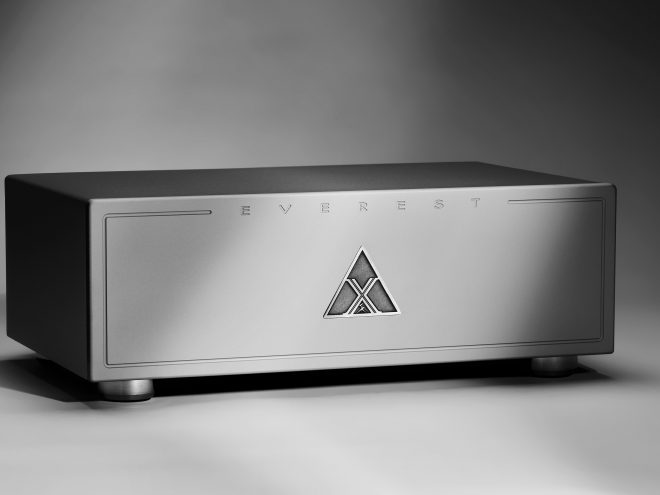
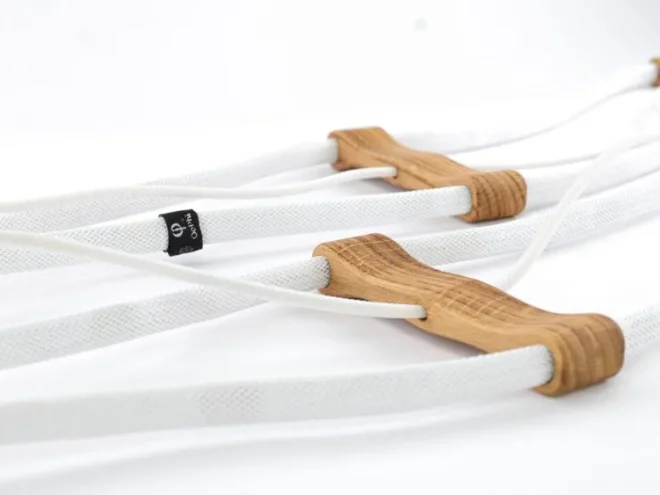
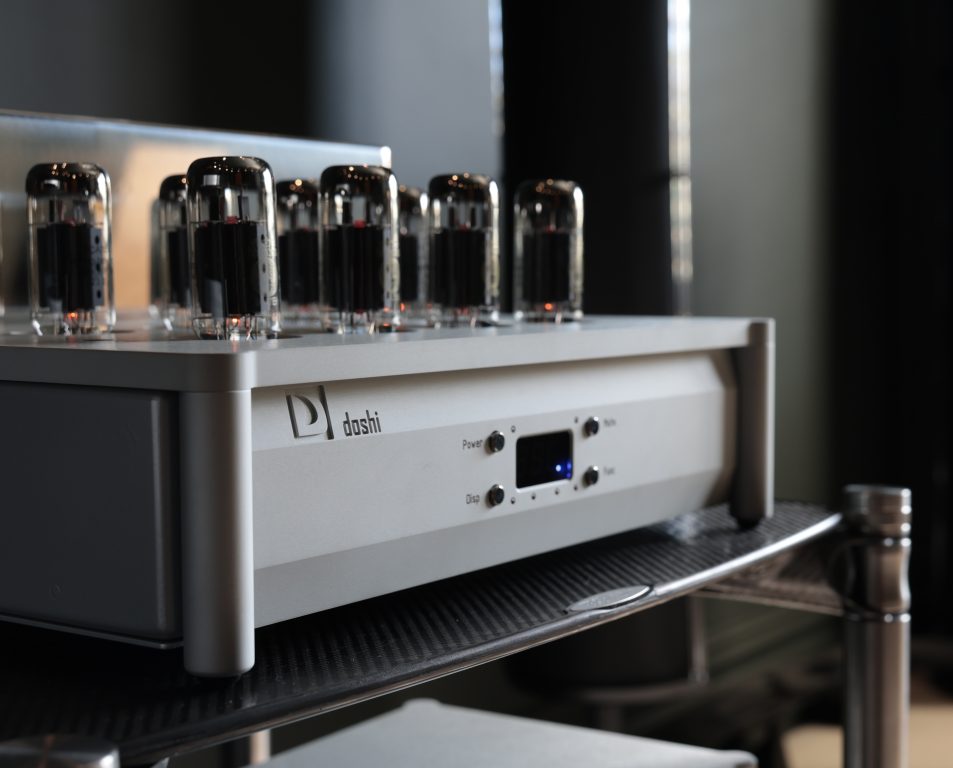
In terms of pushing both the Thaïs and Leonore further I also partnered them up with the Doshi Evolution Linestage and Evolution Stereo Power Amplifier, the source for this was a Vitus Masterpiece DAC with a DELA N1 Music Library and an S1 Switch. All powered by a Shunyata Everest X, with Omega XC, Sigma X QR and NR power cables.
This system elevated performance to a whole new level and both the Thaïs and Leonore absolutely thrived on the end of it. Obviously it is a much more costly system (approaching £170,000), but the speakers never felt like there were a weak link or that they were holding the system back in any way.
As ever, the system that sits behind the loudspeakers is critical and the better that is the superior the final sound will be. Both the Thaïs and Leonore really come alive when partnered with an appropriate amplifier, both speakers present you with an engaging, immersive sound that you can easily lose countless hours in front of. Let’s not forget about the entry level Mimi as well of course, they are another hugely capable option and if your budget won’t quite stretch to the Thaïs or Leonore.
Each model has a very organic presentation, with beautiful tonal colours and they never veer into sounding clinical or artificial. There is real warmth, body and richness to instruments, without ever introducing softness or vagueness into the music.
Summing Up
Kroma are undoubtedly a brand whose stock on the rise and with the addition of these new models we have a solid base to demonstrate Kroma more effectively so our customers can experience the levels between each model and how they differ.
Each of these models is capable of delivering state of the art, world class performance and they offer modern striking visuals with a huge variety of finish options.
Consider this blog an open invitation to come experience the Kroma Mimi, Thaïs and Leonore in our demonstration room, I look forward to welcoming you.