
24th November 2026 · Latest News

Metronome: The French Connection – Part 2

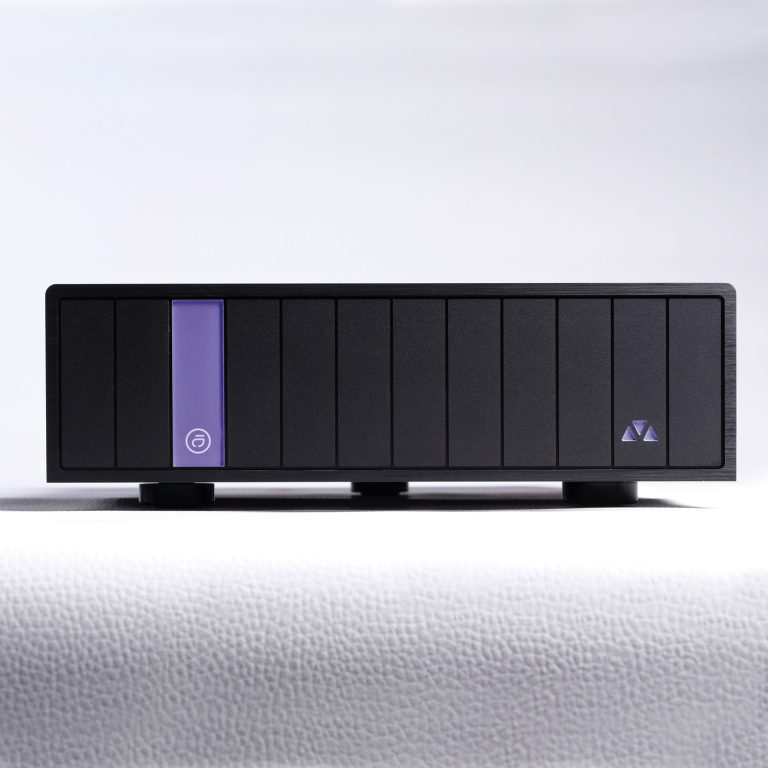
Digital Sharing Audio Server – DSAS

Earlier this year I wrote a blog post about Metronome’s superb entry level ‘Digital Sharing’ range of products. This post focussed on the DSc Mini DAC, the DSS2 Network Streamer and the DST CD transport. I only briefly touched upon the 4th model, the DSAS Audirvana Server as I didn’t have a demonstration model to hand at the time of writing.

The past 6 months have truly flown by, and I thought it was time to talk about the DSAS in a little more detail. It is an incredibly capable product, and it will have significant relevance to a lot of customers.

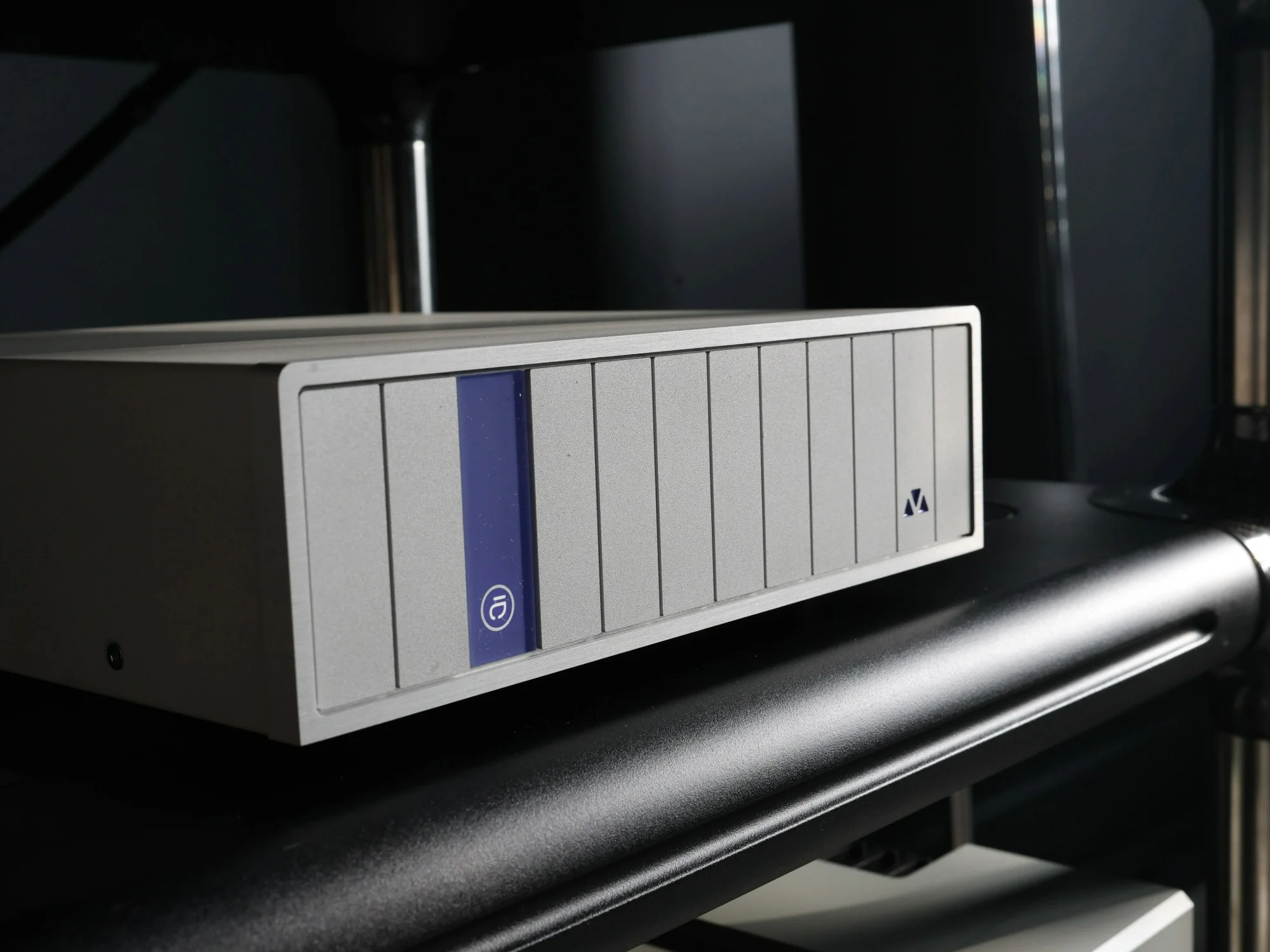
DSAS is an acronym for ‘Digital Sharing Audio Server’ and this product is the result of a collaboration between Metronome and another French company, Audirvana. Metronome designed and manufactured the hardware for the DSAS and Audirvana provide the software which drives it.

The DSAS is both a file server and a network streamer with the ability to play music from Qobuz, Tidal, High-Res Audio plus Internet Radio. It comes with a 2TB SSD NVMe storage card fitted to store your own music library, plus you have the option to fit a second card if additional storage is required.

The DSAS is priced at £6200 is a strong turnkey solution, essentially a highly optimised computer, but one without a keyboard, mouse and screen. When you power up the DSAS Audirvana loads promptly and your iPhone or iPad is your window for selecting and playing music. It is incredibly intuitive to operate, control and manage your music library. To put it into standby you simply press the light on the front for 5 seconds, to power it back up a 2 second press of the same light wakes it up.
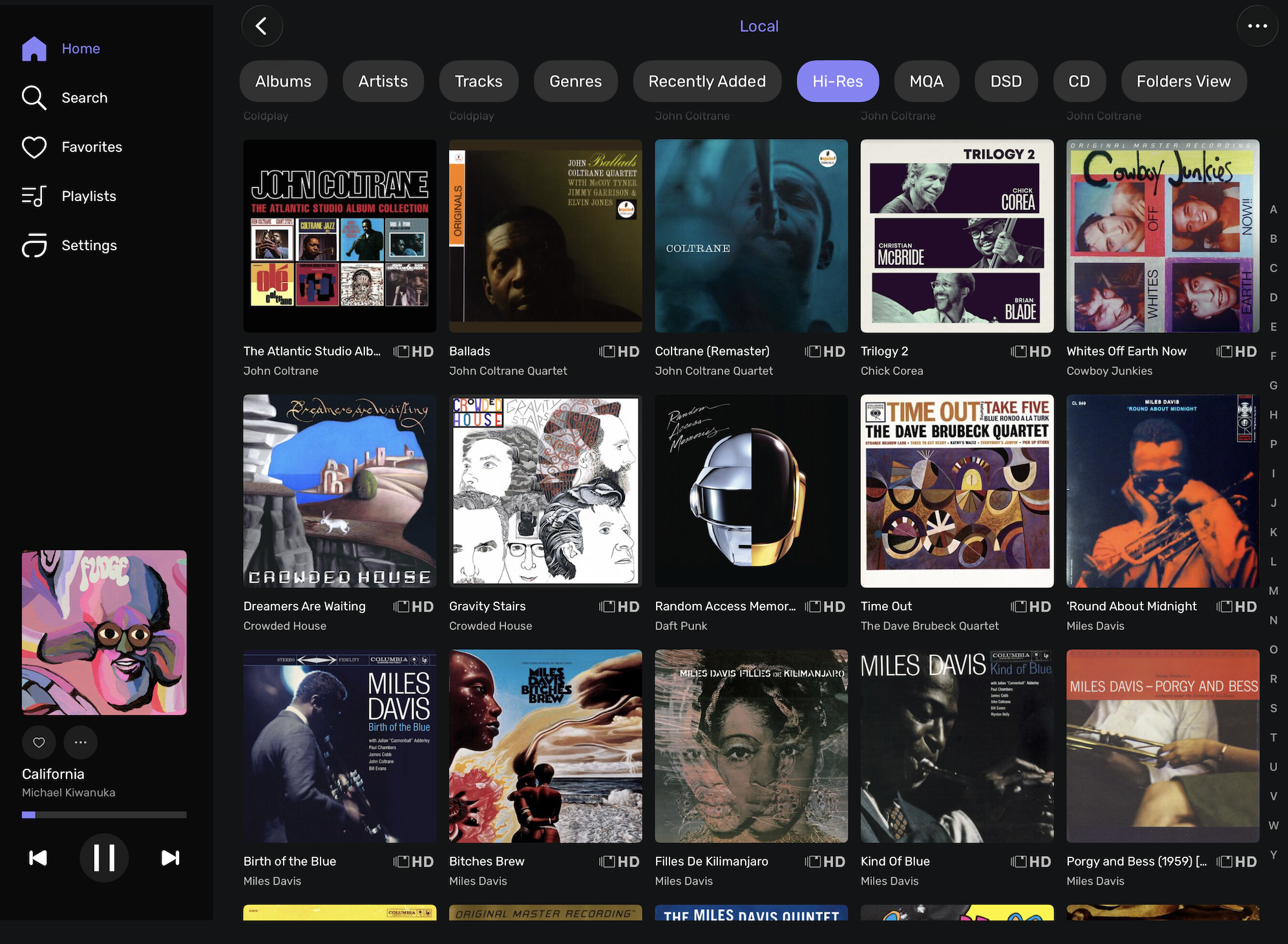
Audirvana is a software company founded by a French developer called Damien Plisson in 2011. Initially Audirvana was software designed to provide higher quality music playback from a computer and since then it has been developed, refined and improved with several major updates and revisions along the way.

Audirvana’s subscription-based Studio software launched in 2021 and their ‘Plays with Audirvana’ programme was introduced in 2025.

Audirvana have always placed significant emphasis on sound quality and performance and the DSAS could be considered as an ideal implementation of Audirvana as a software package with Metronome optimised hardware – dedicated architecture, bespoke carrier boards, clean power supplies all combining to deliver optimal audio rendering from storage to DAC.

Roon is probably the most well-known alternative to Audirvana, and for those who have used Roon but are not familiar with Audirvana or the DSAS it could be described as both a Core and Endpoint in one box. Roon has been a popular option for many over the past few years, but Roon is somewhat processor intensive, and this does have a negative impact on performance, the degree of which does vary from system to system, generally better the system the larger the sonic penalty.

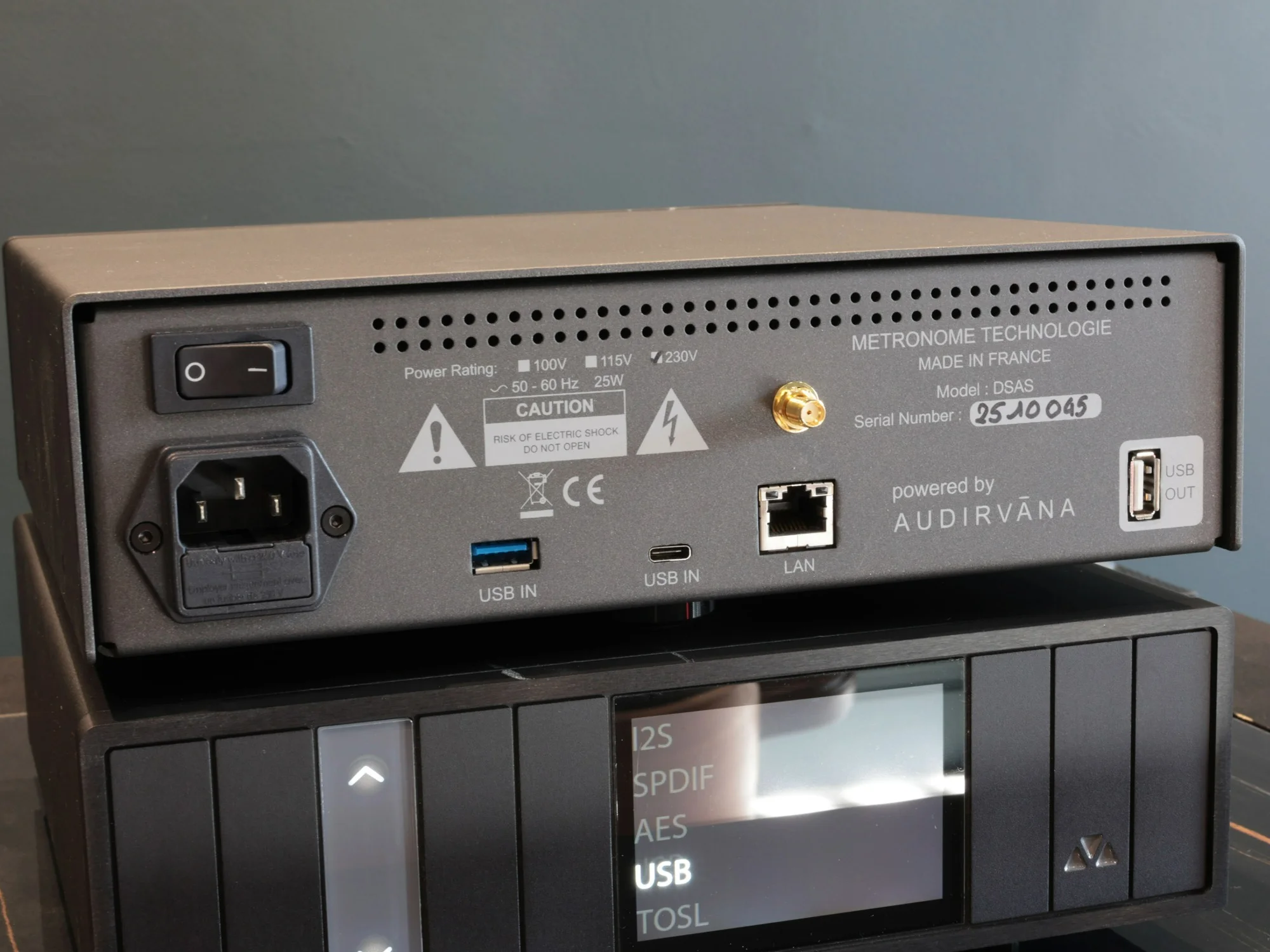
When the DSAS was being designed Metronome made the decision to offer a single audio output – USB, foregoing all other digital output options. The USB audio output has been galvanically isolated, re-clocked and supports up to DSD 512 and PCM 384kHz.

A product could have been released offering multiple output options, but Metronome felt this would be a compromise compared to a single output option that has been designed from the ground up.

In terms of connecting the DSAS to your network there are both wired and wi-fi options.

We would always recommend Ethernet to connect the DSAS to your network.

Visually the DSAS is somewhat understated, it offers no large colourful touch screen and is undramatic as a result. Weighing in at just under 5kg the DSAS is deceptively well built, the fit and finish is excellent and when you pick it up it is not difficult to feel and see the quality.

The first time you power up the DSAS, it will prompt you to sign into your Audirvana account, once logged in you are good to go. Every DSAS purchase comes with a 3 year subscription to Audirvana Studio included which is a nice touch.

To play music you need to import your existing music library to the DSAS, and sign into your streaming service account. The library import process can be done either via a computer, using Finder on a Mac to drag/drop files onto the DSAS or you can import files via a USB drive or Stick. I chose to import my library over the network in manageable chunks (around 250GB at a time).

The import process takes a little while as it builds and presents the library, but this only needs doing once. The Mac OS app of Audirvana Studio offers a meta data editor which is very useful. Once the main library is imported and scans are complete any new albums you add in the future are integrated automatically.

The Audirvana playback app is available on both iOS and Android devices. It is incredibly intuitive, all playback operations are carried out within this app and it is a really great to use.

Is the DSAS relevant for me?

The DSAS is a product that will only have relevance for those who own a digital music library; whether that is stored on a computer, a NAS or USB hard drive or stored on an old Melco N1A or similar that has never been upgraded.

The DSAS also streams music from Qobuz, Tidal and Hi-Res Audio, these streaming services all sound excellent, but to be fair if you don’t have your own library this probably isn’t the product for you to be fair.

If you only stream music and the Metronome’s Digital Sharing range appeals their DSS2 is going to be a more suitable option. The DSS2 can stream Qobuz, Tidal, Spotify and can be used in a Roon eco-system or controlled third party apps like J-Play or M-Connect. I’ve supplied a healthy number of DSS2 since its launch, and it is a strong product.

There is no doubt that streaming has evolved to a level where it could be considered a primary and serious source component, a subscription to Qobuz and or Tidal is all that a lot of customers have, it is an incredibly convenient way to absorb music and I for one certainly wouldn’t want to be without it.

However, as good as streaming is, it is important to stress that playing music from locally stored files offers better performance than streaming and the gulf in performance frequently takes people by surprise when I’ve demonstrated the differences.

Speaking personally, I use Qobuz a lot, largely for music discovery and listening to new releases, I subsequently purchase and download the albums I enjoy.  The Qobuz Sublime+ subscription offers excellent discounts on downloads and the savings over the course of the year comfortably outweighs the annual cost of the subscription and of course the music you purchase is yours forever.

Listening to the DSAS

I’ve had a DSAS on demonstration now for a few months and I’ve used it extensively in several different systems with varying price tags.

As mentioned earlier from a software point of view Audirvana undoubtedly draws comparisons with Roon. I do like Roon, it’s a great interface, but sonically it can be a little flat and blanding sounding, comparing the same files or streams side by side with a DSAS/Audirvana the music has a greater sense of realism, presence and vigour.

From a hardware perspective the DSAS could be seen as an alternative to a Melco, or DELA as they are now called.

We’ve been a dealing with Melco/DELA since I founded AudioTherapy in 2017 and they’ve have produced some truly excellent products in that time which offer very strong performance. Since they made the rebranding change to DELA in 2025 that hasn’t changed, the flagship DELA N1-S40 is a remarkable server/player, one which offers true reference performance, but the N1 is priced at £14,000, and DELA’s only other server option is the N-5 which is £8000 so the DSAS has instant appeal from a price perspective and it will rub shoulders with the N-5 all day long.

At £6200 the DSAS is a more affordable option for someone looking for a server/streamer. Whilst I appreciate that £6200 isn’t pocket-change the DSAS delivers a level of performance which doesn’t make it difficult to justify the price of admission, quite the opposite when you live with it.

The first time I ever listened to a DSAS was one of those experiences that genuinely took me by surprise at just how capable and engaging it was. I had a demo DSAS and I’d transferred around 25 albums on it that I know really well and evaluated a wide range of key tracks over the course of a couple of days and I literally couldn’t stop listening to it.

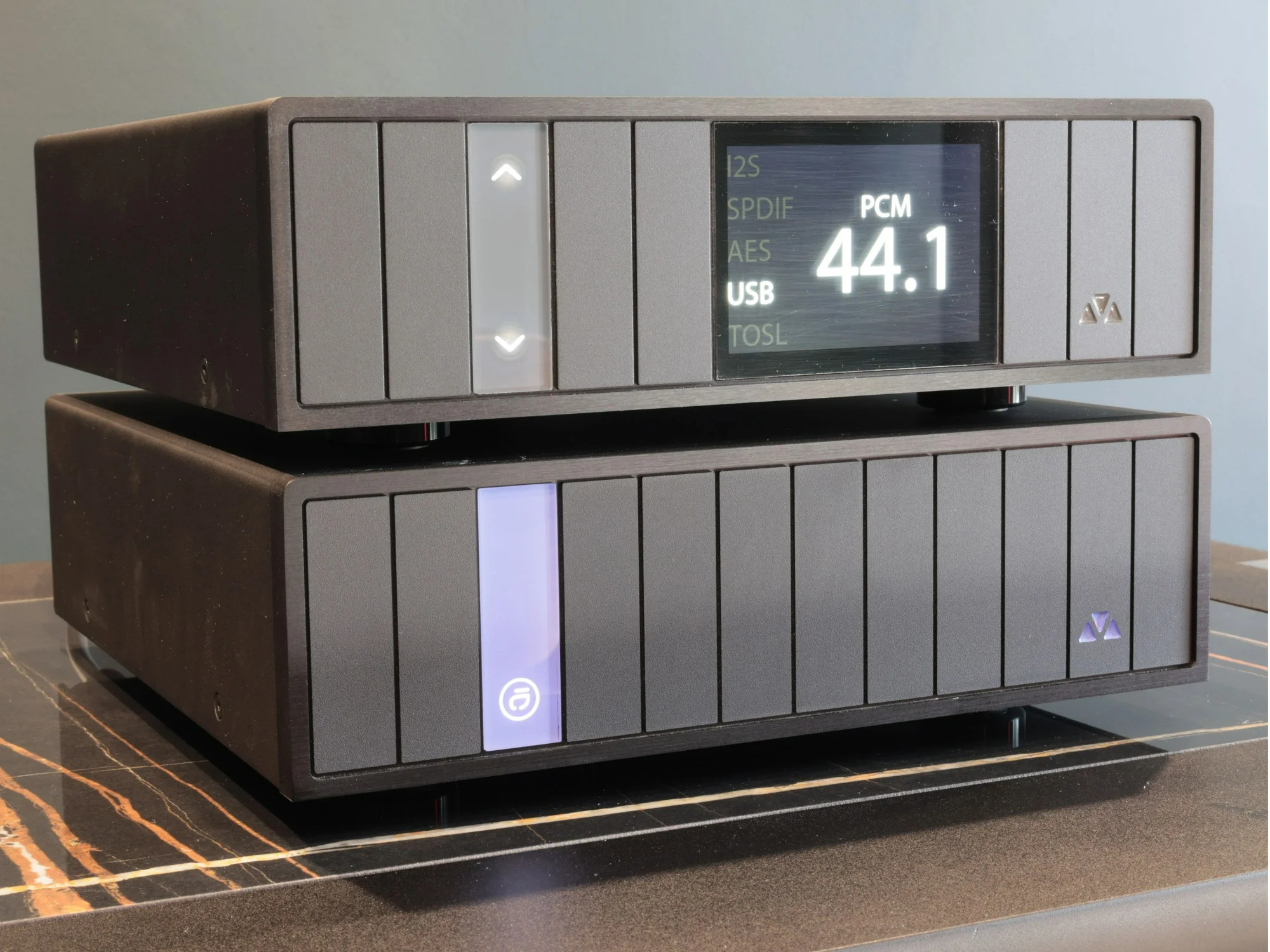
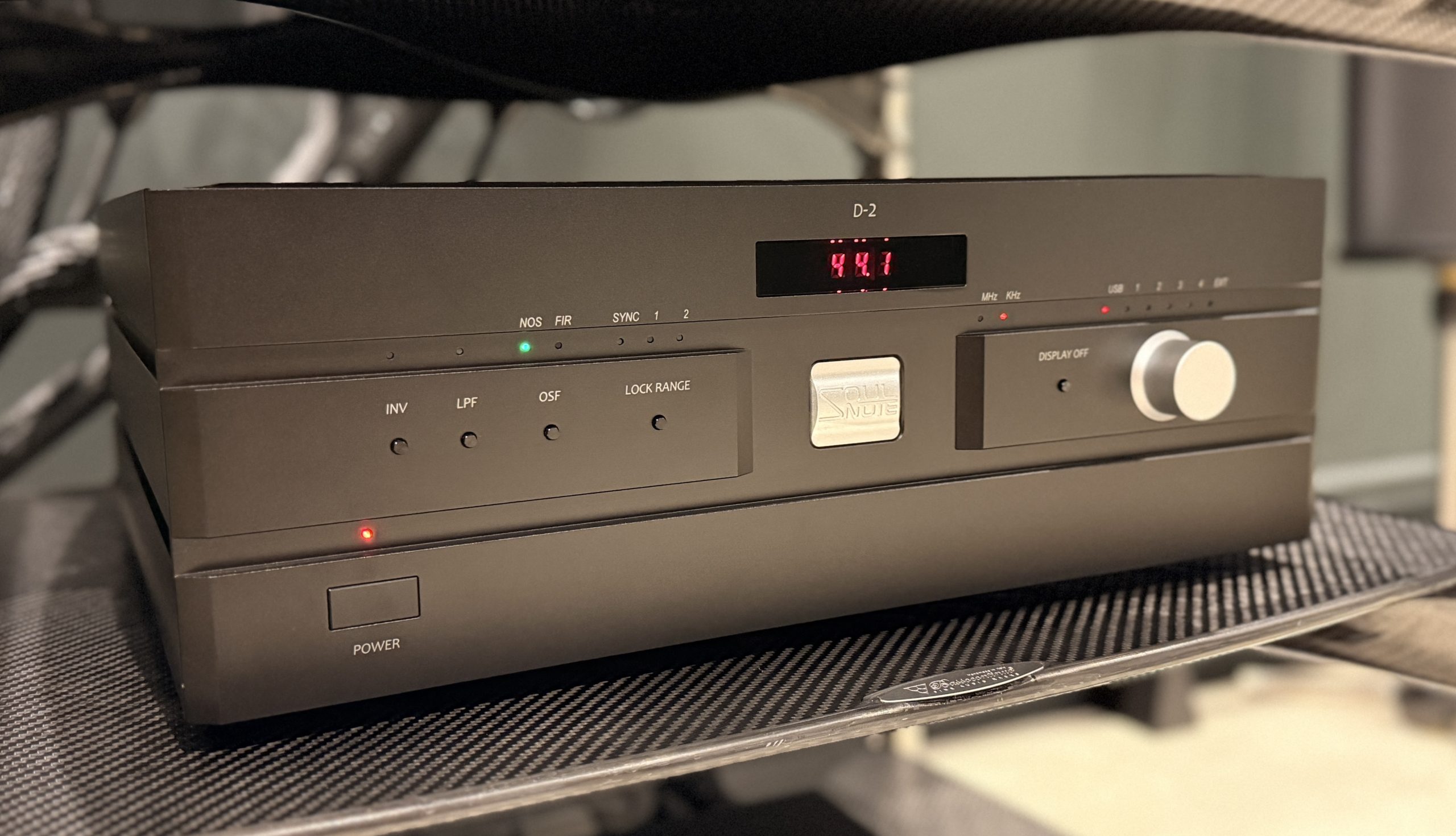
This system comprised of a Soulnote D-2 ver 2 DAC (£7700), a Soulnote A-2 ver 2 Integrated Amplifier (£6900) and pair of OePhi Ascendence 2.5 floorstanding loudspeakers (£6495). Shunyata Research Theta cabling was used throughout.

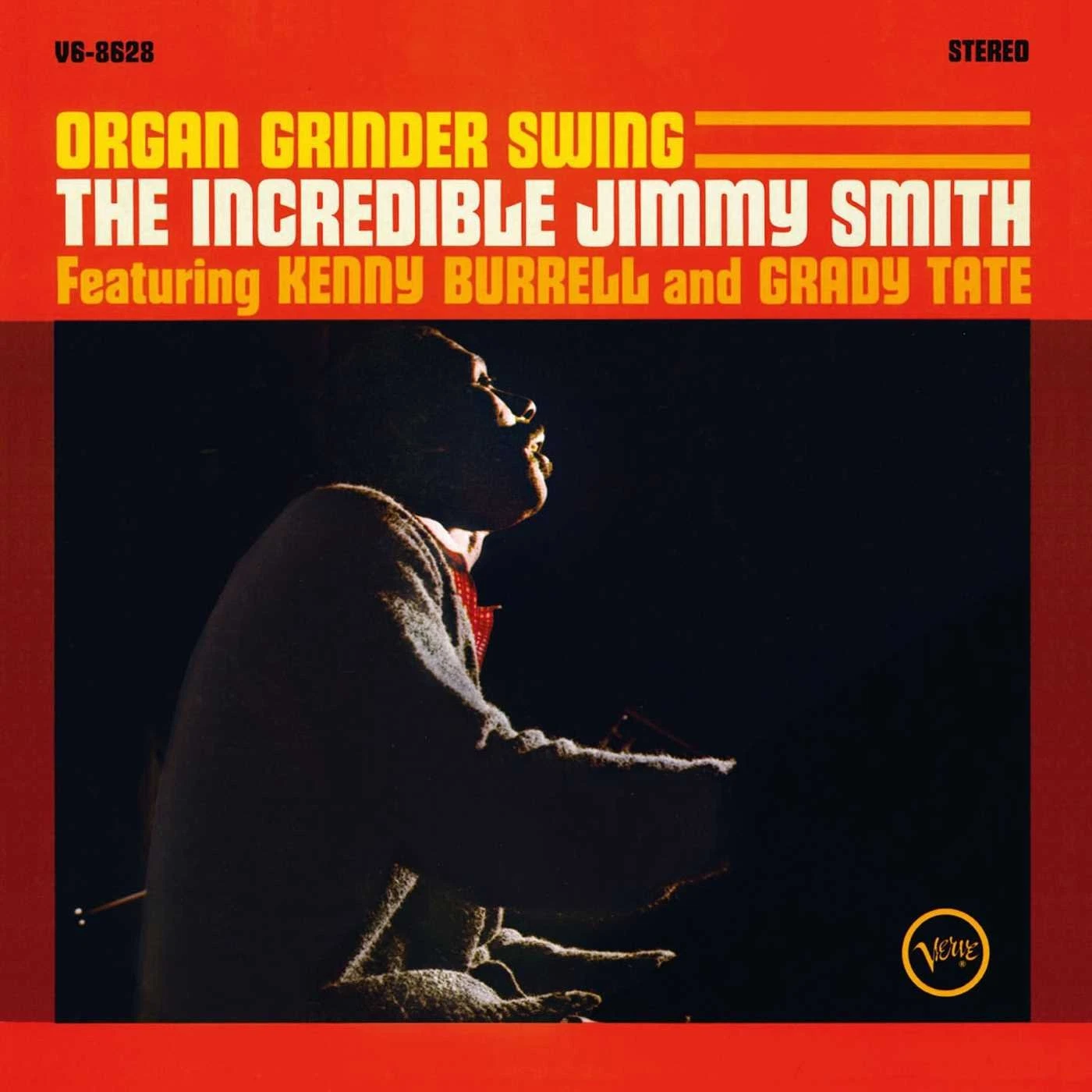
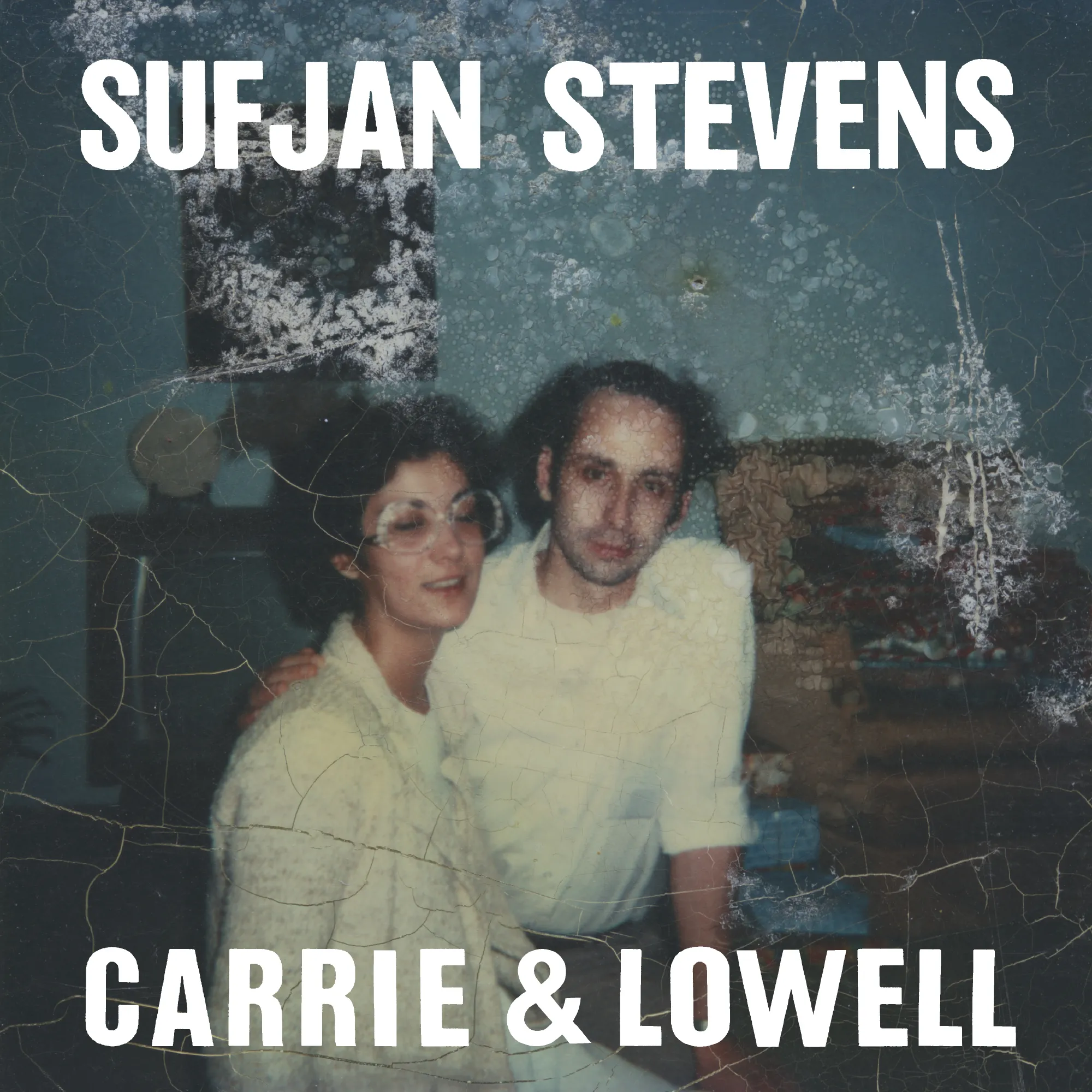
I listened to a substantial amount of music on the DSAS, some of the standout albums included:

Till the Sun Turns Black by Ray LaMontagne

Diamond Mine by Jon Hopkins & King Creosote

Carrie & Lowell by Sufjan Stevens

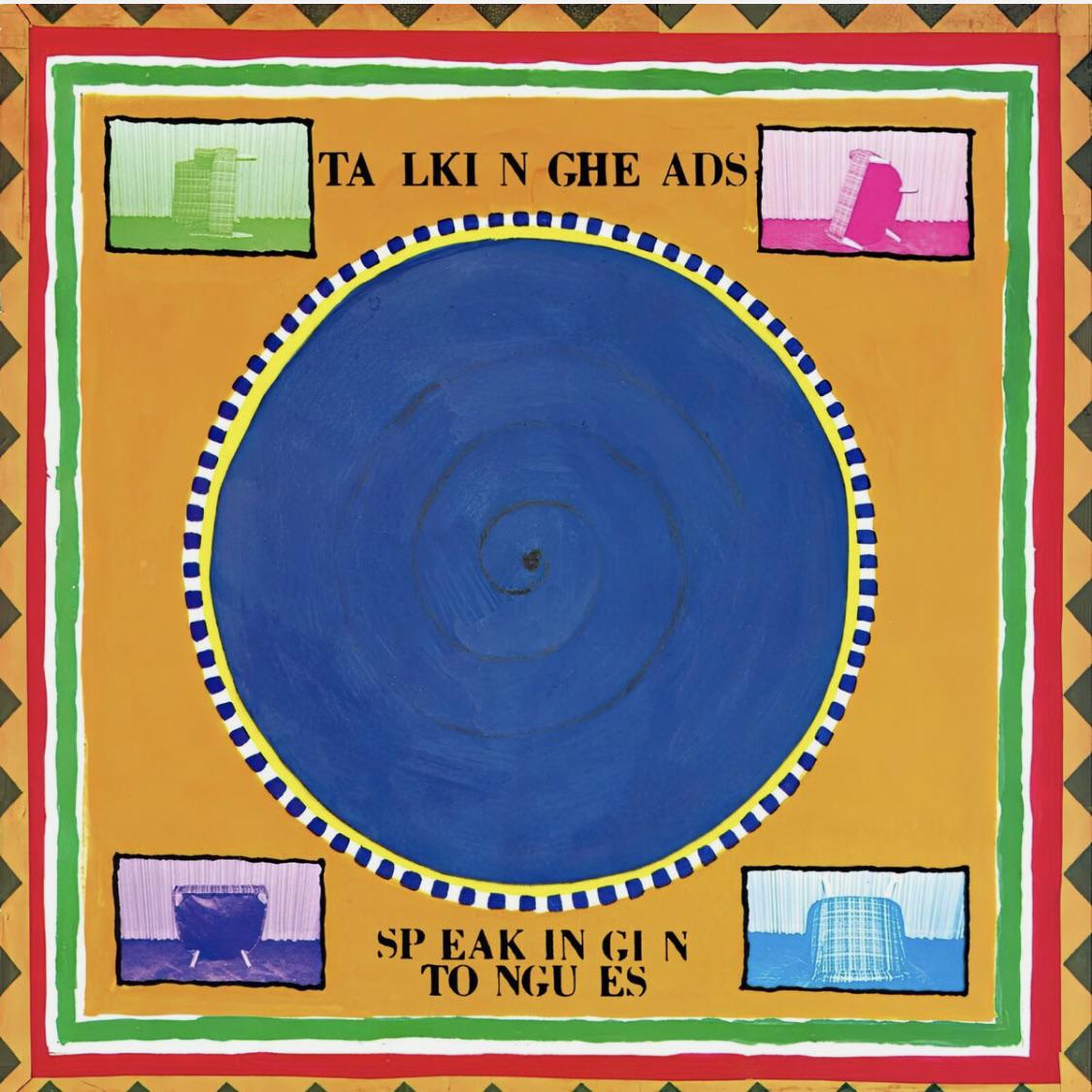
Speaking in Tongues by Talking Heads

Kid A by Radiohead

Organ Grinder Swing by Jimmy Smith

Gallery Image
Gallery Image
Gallery Image
Gallery Image

It didn’t seem to matter what type of music I played the DSAS did a superb job with everything. It was ever so easy to get lost in the music, looking through my listening notes word like vibrancy, vigour and realism were all heavily underlined.

The music consistently had excellent presence and authority with an incredibly expansive soundstage that was almost palpable and very three-dimensional.

The natural partnering DAC for the DSAS would be the matching Metronome DSC Mini but the DSAS is clearly happy being used with any good quality DAC.

I gave the DSAS a thorough run out in several different systems, with different amplification, loudspeakers and DACs, at all levels it never failed to impress. It certainly did not feel out of place or outclassed when used with a more exotic DAC like the Vitus SD-025 mk2 or the T+A PSD-3100 HV.

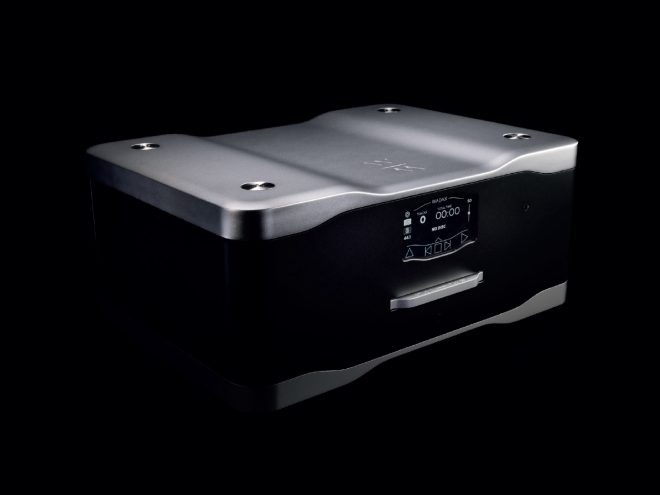
In an all-Metronome front end, I partnered the DSAS with their flagship AQWO 2 CD / SACD player / DAC and unsurprisingly they made an excellent partnership.

Final Thoughts

If you have the need for a storage-based playback solution and you stream music the DSAS could be just the ticket. It performs to an incredibly high standard, Audirvana feels like a serious bit of software, it’s slick, lean, easy to use and very intuitive.

Whilst the DSAS is small and it doesn’t have a huge colourful screen to entice the listener, I almost think it is better without it, in my experience that added glitz is superfluous and it almost detracts from the music in many ways, your iPhone or iPad is your display.

All you need to take advantage of the DSAS is a DAC with a USB input, some music to put on the hard drive and a streaming login.

Pick up your phone, choose an album, press play and turn your phone off, repeat when that album has finished, the DSAS will allow you to get lost in the music which is sort of the whole point behind this brilliant hobby!

For regular product updates and to stay up to date with the latest at Audio Therapy
sign up to our newsletter below.

Your cart

No products in the cart.