










22nd July 2026 · Latest News
OePhi cables: an introduction
We have been retailing OePhi loudspeakers for just around 18 months and it has been an exciting time to be involved with this superb Danish company. Their speaker range has gone from strength to strength, with them winning numerous awards over that time.
A considerable number of new owners have come along for the journey and there are no signs of this momentum slowing down with customer demonstrations becoming something of a weekly occurrence. It has become unusual for a demonstration to not result in a customer placing an order.
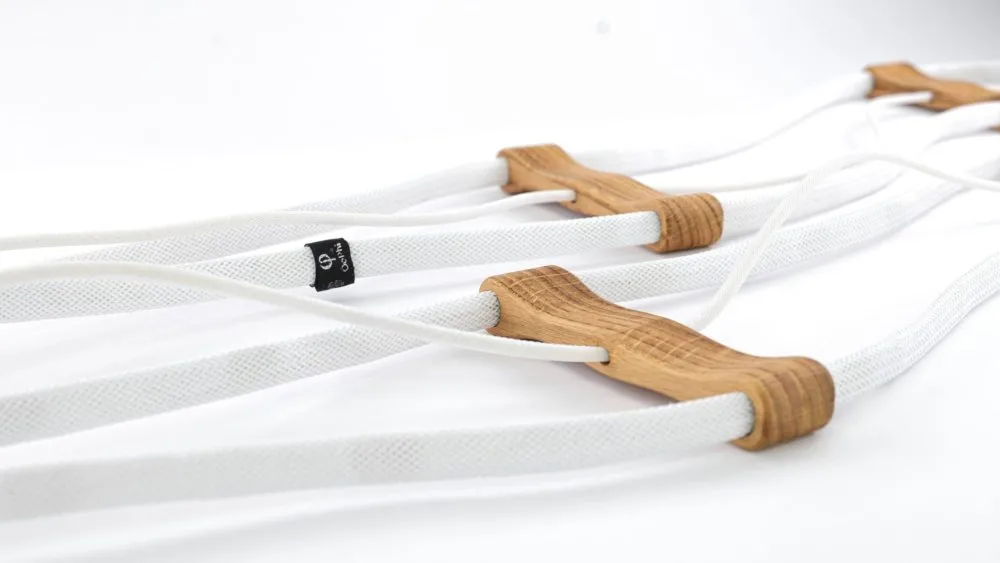
For those who are not overly familiar with OePhi as a speaker brand, you may be unaware that they also manufacture an extensive range of cables. These cables actually existed before the loudspeakers. It was the development of the cables that led to their signal transmission technology and the understanding of time domain performance that essentially laid the foundations for their loudspeakers. They added loudspeakers to their portfolio to allow customers to better hear their cables’ time domain performance and improved signal integrity. Most people incorrectly assumed it was the other way around and the speakers came first.

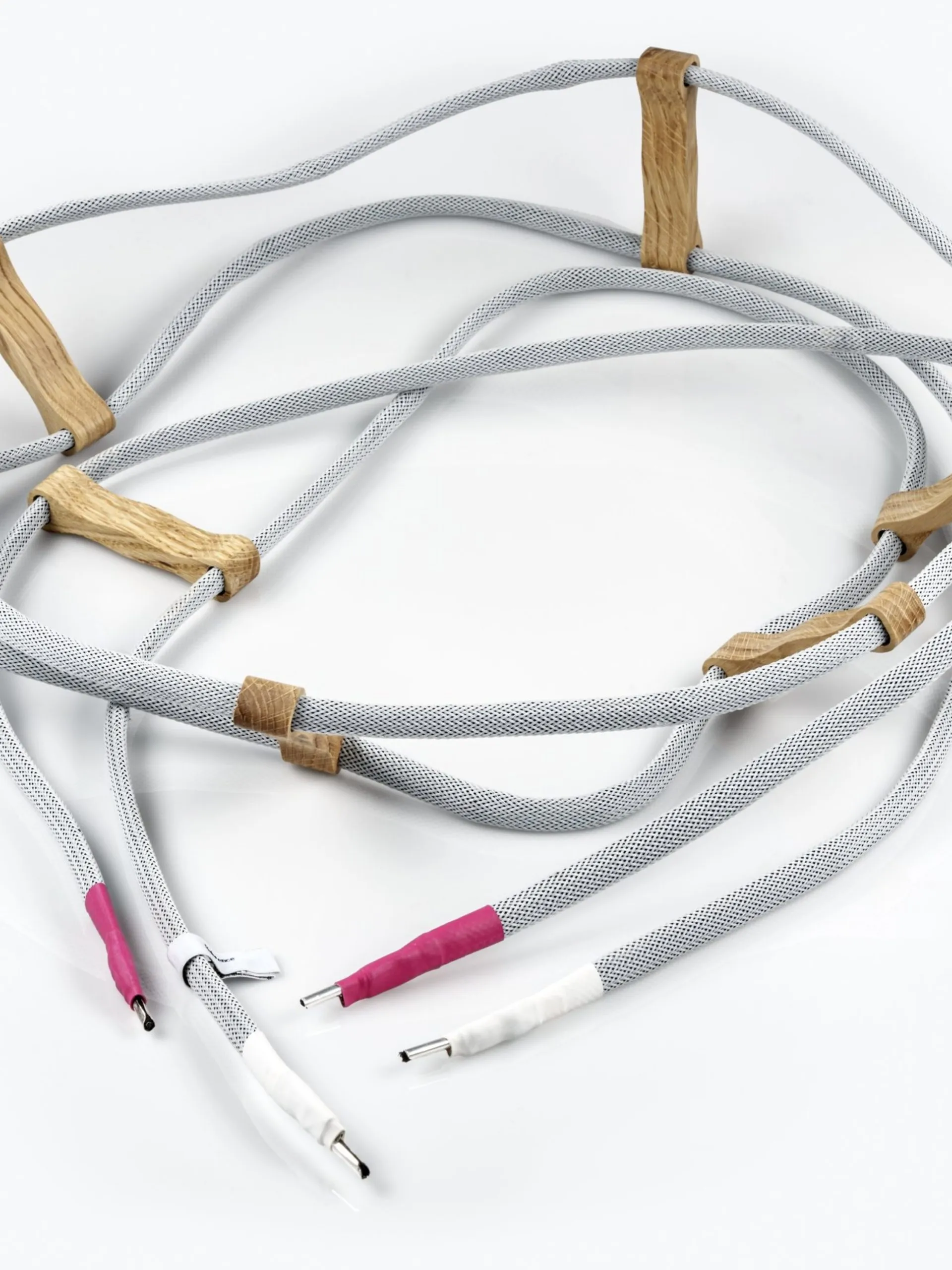
OePhi cables are best seen as a foundational element of a system. Their primary focus is protecting the signal from outside noise on its journey from source to listener and maintaining the internal integrity and structure of the signal.
I’ve had an extensive selection of OePhi cables on demonstration for a while now and I’ve spent considerable time meticulously evaluating them in the demonstration room to understand how they perform with our various electronics brands. OePhi’s own speakers and, of course, our other speaker brands – Kroma Atelier, Avalon Acoustics, and Vimberg – and also how they compare to our main cable brand, Shunyata Research.
OePhi cables were somewhat of a natural addition that came along with their speakers. Several people within the industry warned me that their cables were particularly strong and to be prepared for what was coming. They weren’t wrong.
Timing is everything
The brainchild of OePhi is their founder and owner, Danish engineer Joakim Juhl, a former professor and Harvard Scientist. His focus when designing cables is all about protecting the integrity of the signal, or the impulse itself.
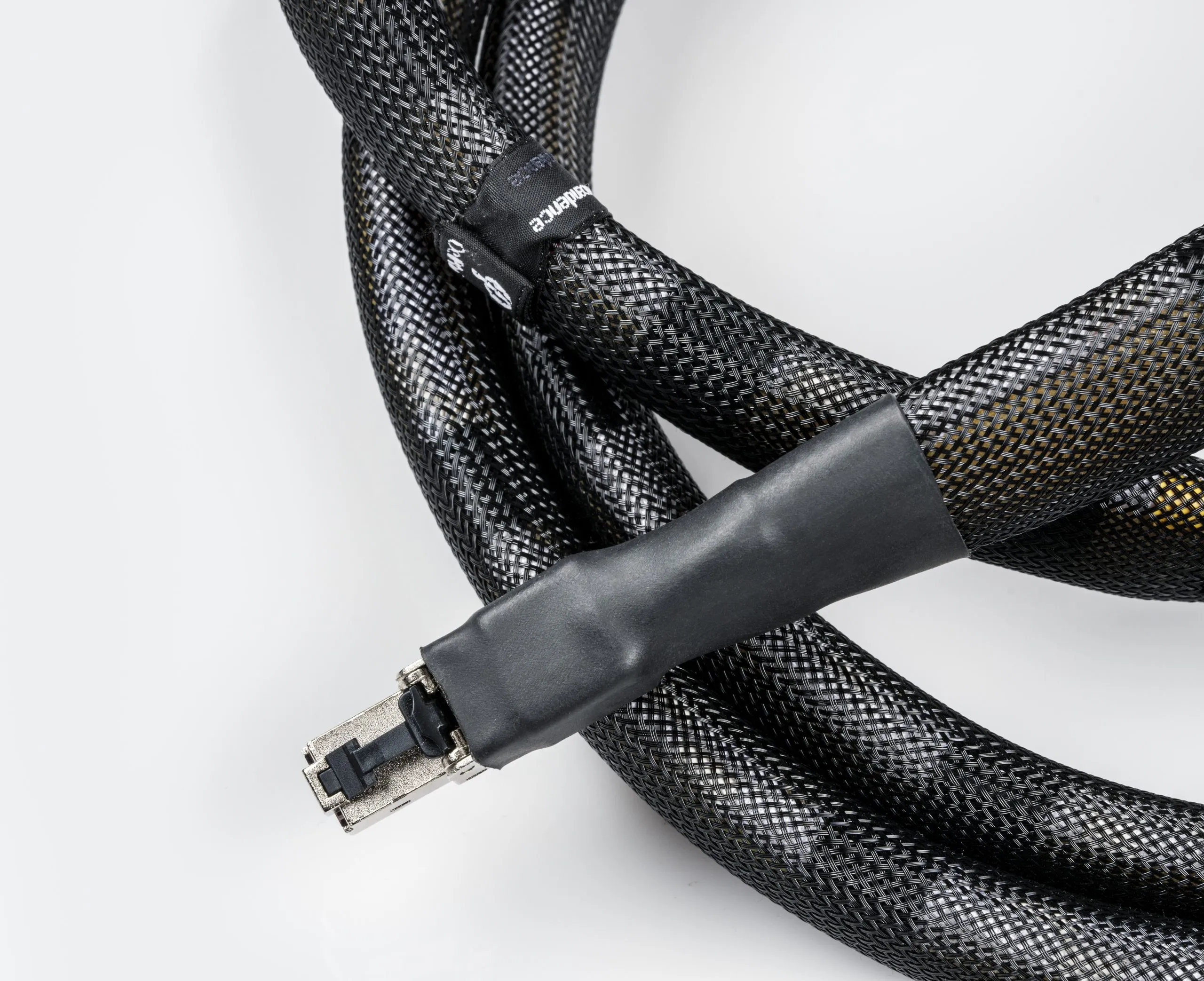
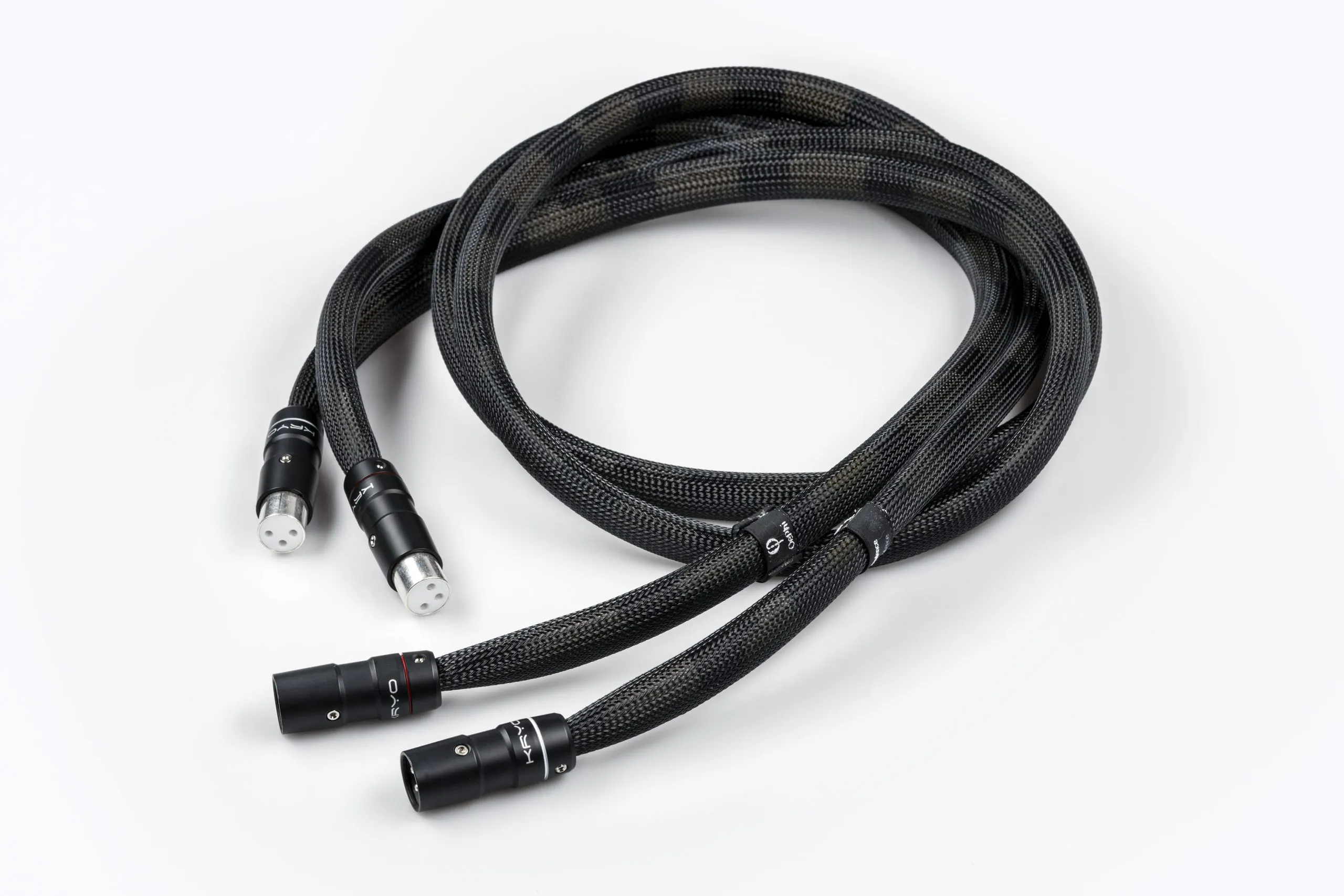
That is what time domain performance is all about: ensuring that the temporal order of the signal remains intact – unaffected by phase distortion, energy storage, or other resonant characteristics. The impulse is neither smoothened, delayed or changed. It is just handled as it is – straight, fast, and clean.
Amplifiers and source components need to respond to transient demands immediately, and OePhi feel that any cable that slows, restricts, or smears that delivery is degrading the musical signal. OePhi’s cotton-damped air dielectric, minimal inductance, and capacitance geometry, and their obsessive attention to time-domain accuracy are all in service of that single goal: get the power or the signal there as quickly and as cleanly as possible, creating conditions for the signal to propagate as freely and unaffected as possible.
OePhi cables: an introduction
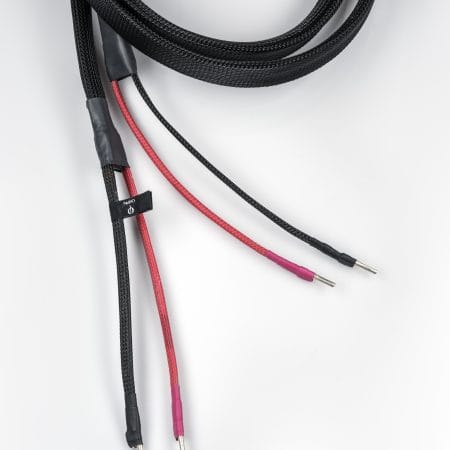
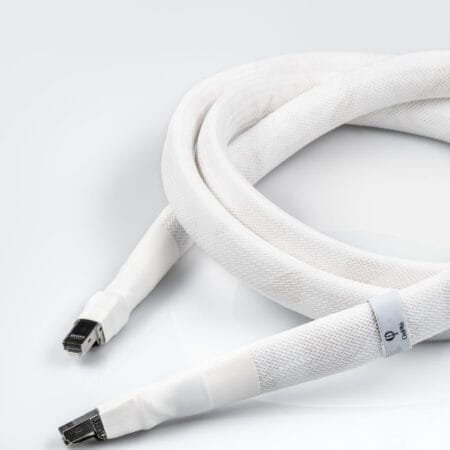
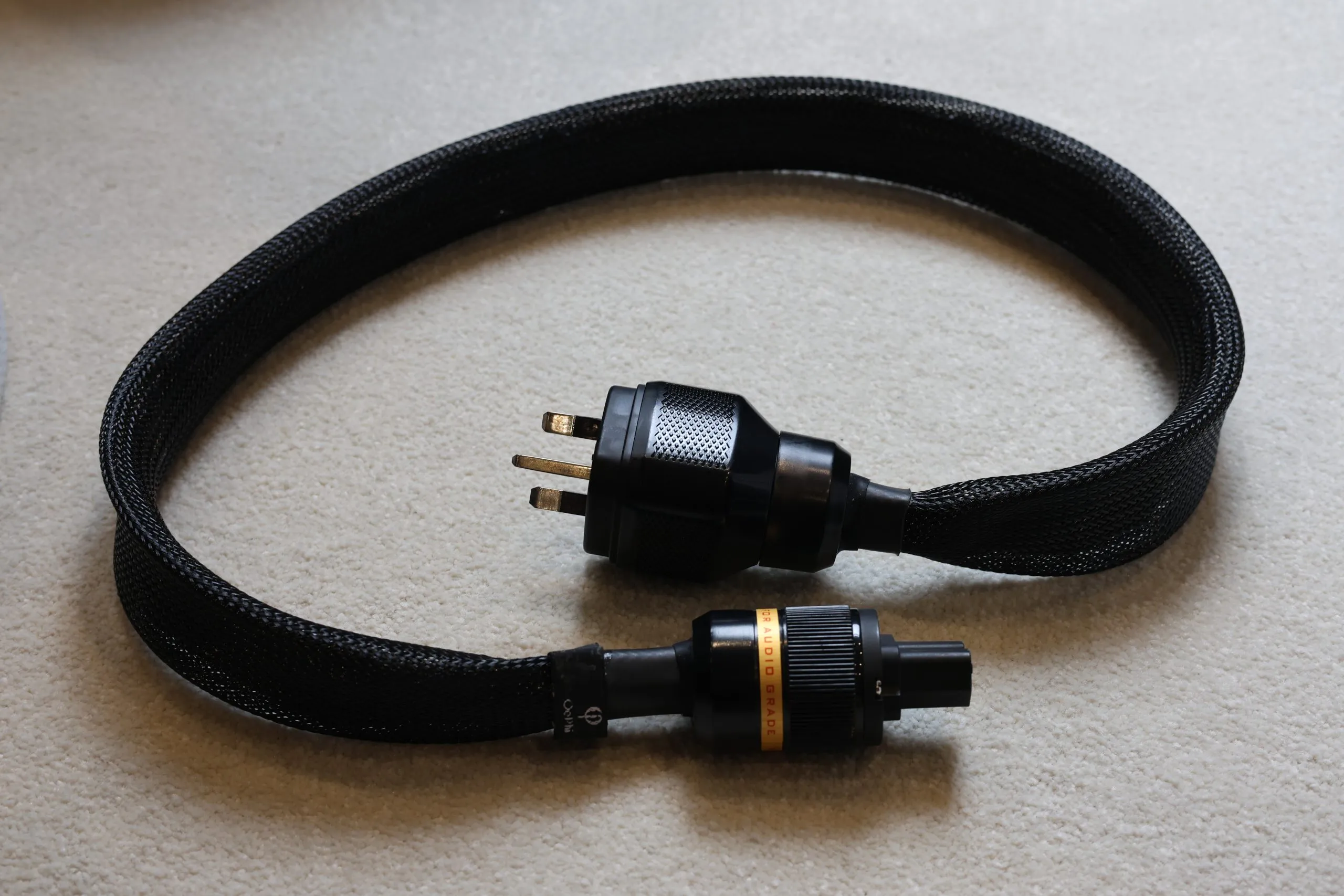
OePhi cables are all about time domain accuracy and they offer exceptional bandwidth, insight, and transparency. They produce six different ranges of cables and they almost follow the same naming hierarchy as their speakers. They have power cables, speaker cables, analogue, and digital cables including ethernet cables.
OePhi’s entry-level range is Lounge, then we move to the Ascendence, Transcendence, and Immanence. Above that we have the Reference, which was their flagship cable, but the newly released Kali range takes their top spot now.
The primary focus of all of their cables is placed upon time domain accuracy and this gives all of their cables an incredible sense of precision and realism. Every element of the musical picture has incredible focus – nothing gets hidden, obscured, or pushed to the background. The music has real structure and everything has a place in both space and time and the sound emanates from the loudspeakers with real enthusiasm and vigour.
As you progress through these six ranges of cables the levels of transparency, openness, and realism increases. Every range performs to an incredibly high standard and, at each level, performance stretches well beyond what the price point might suggest. They have ruffled more a than few feathers with other more costly cables from some well-established cable brands.
A word of warning: It is important to stress that, as we move up to the higher cables, the levels of transparency and openness increase to a point where any weaknesses or bottlenecks in the system will be potentially exposed and highlighted.
This is not an issue in a well-balanced system and certainly never a problem in a system I’ve built for a customer. But with systems that are put together based on price or with little thought given to system synergy and coherence, you could possibly find that an OePhi cable will show you too much of what is happening in the system.
The good elements are emphasised and highlighted, but it is ‘warts and all’ and bottlenecks and weaknesses could potentially be emphasised.
OePhi cables & OePhi speakers: a match made in heaven
For those already using OePhi speakers, you will not be surprised to hear that when you use their own cables you instantly get a really obvious uplift in performance. We have had excellent results across the whole range of OePhi speakers using Shunyata Research and Entreq speaker cables. But when you partner OePhi speakers and cables together, something special happens, which isn’t surprising really given the speakers were created and voiced with their cables.
The music gains realism and becomes even more coherent, with greater presence in the room, textures of notes, and layers within the music becoming much more prominent and much more immersive.
Which OePhi cable for which OePhi speaker?
Conventional thinking would have us partnering the matching cable and speakers together, and this always delivers excellent results and is a great starting point. But, by moving to the next cable up in the range, you easily elevate the performance of the speaker to a new place.
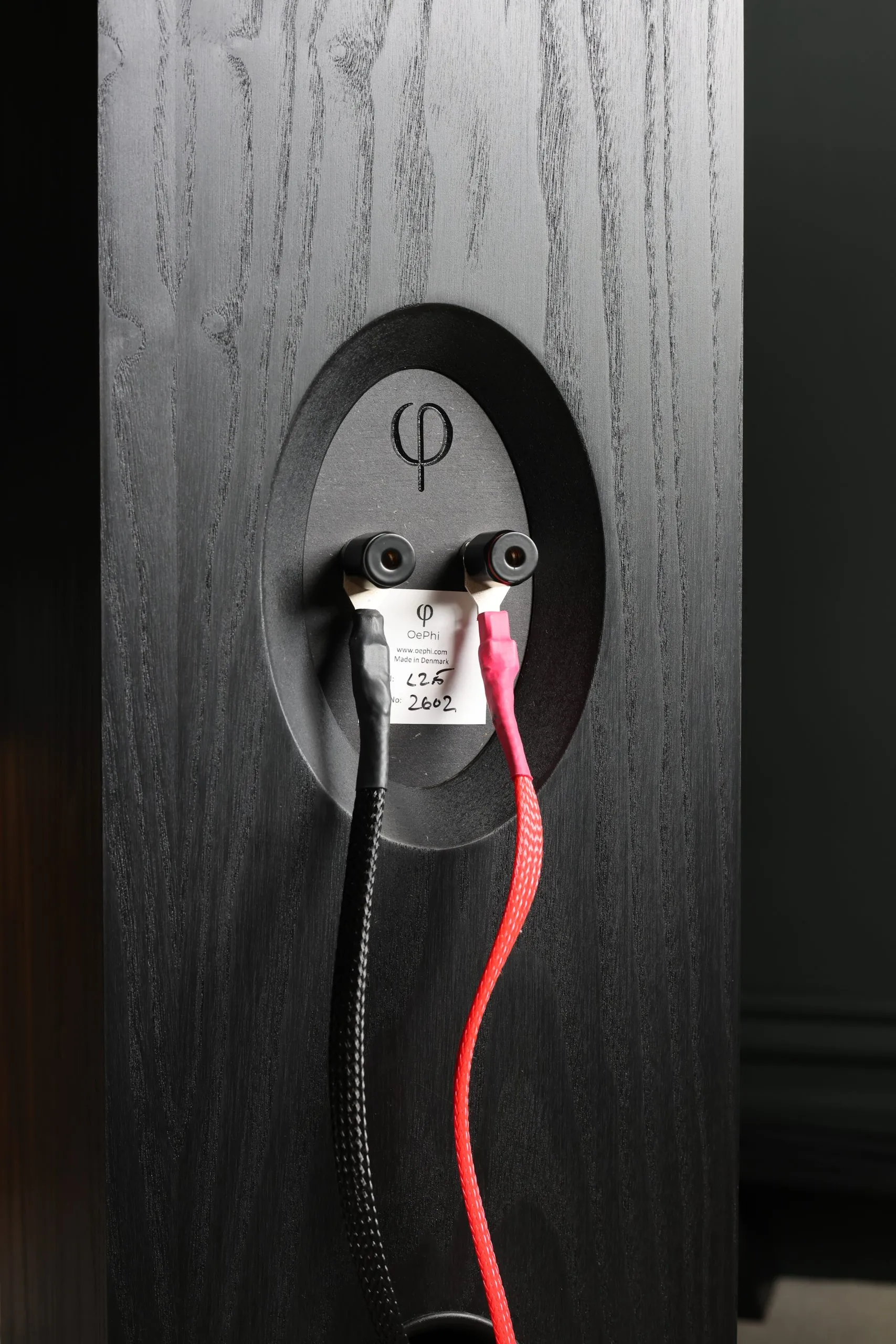
Lounge speaker cables are the starting point, and they offer superb value for money and they work brilliantly on the Lounge 2.5 speakers. But by switching the speaker cable to the Ascendence, the jump in performance is quite astonishing given the small difference in price (a 2m pair of Ascendence are only an additional £330).
The Ascendence simply offers much more of everything that was going on previously and you really don’t need to be blessed with golden ears to hear the impact it makes when you compare them against one another.
This thinking applies across the entire cable line as well, although I would argue that jumps in performance get even greater as you move further up the range of speakers and cables.
OePhi cables in a non-OePhi system
It’s important to stress that OePhi loudspeaker cables are not designed to be partnered exclusively with OePhi speakers. As I mentioned earlier in this post, the cables existed first and their speakers came about as a way to demonstrate the abilities of their cables more effectively.
I’ve had fantastic results partnering OePhi loudspeaker cables with all of our other loudspeaker brands – Kroma Atelier, Avalon Acoustics, and Vimberg – plus power cables and signal cables on our electronics as well.
From an amplifier perspective, Vitus Audio responds remarkably well to OePhi cables. The RI-101 mk2 is a strong, compelling integrated amplifier, and if you opt for the onboard streaming DAC you simply need to add a pair speakers and a network connection and you have a complete one-box system that offers sensational performance.
Although the RI has much more to give, if you build a system around one with equivalent level source components it elevates itself to a whole new level. I’ve been getting exceptional results with the Metronome AQWO 2 CD/SACD plus the Vitus RD-101 mk2 with a DELA N1 feeding into the USB input on the AQWO 2.
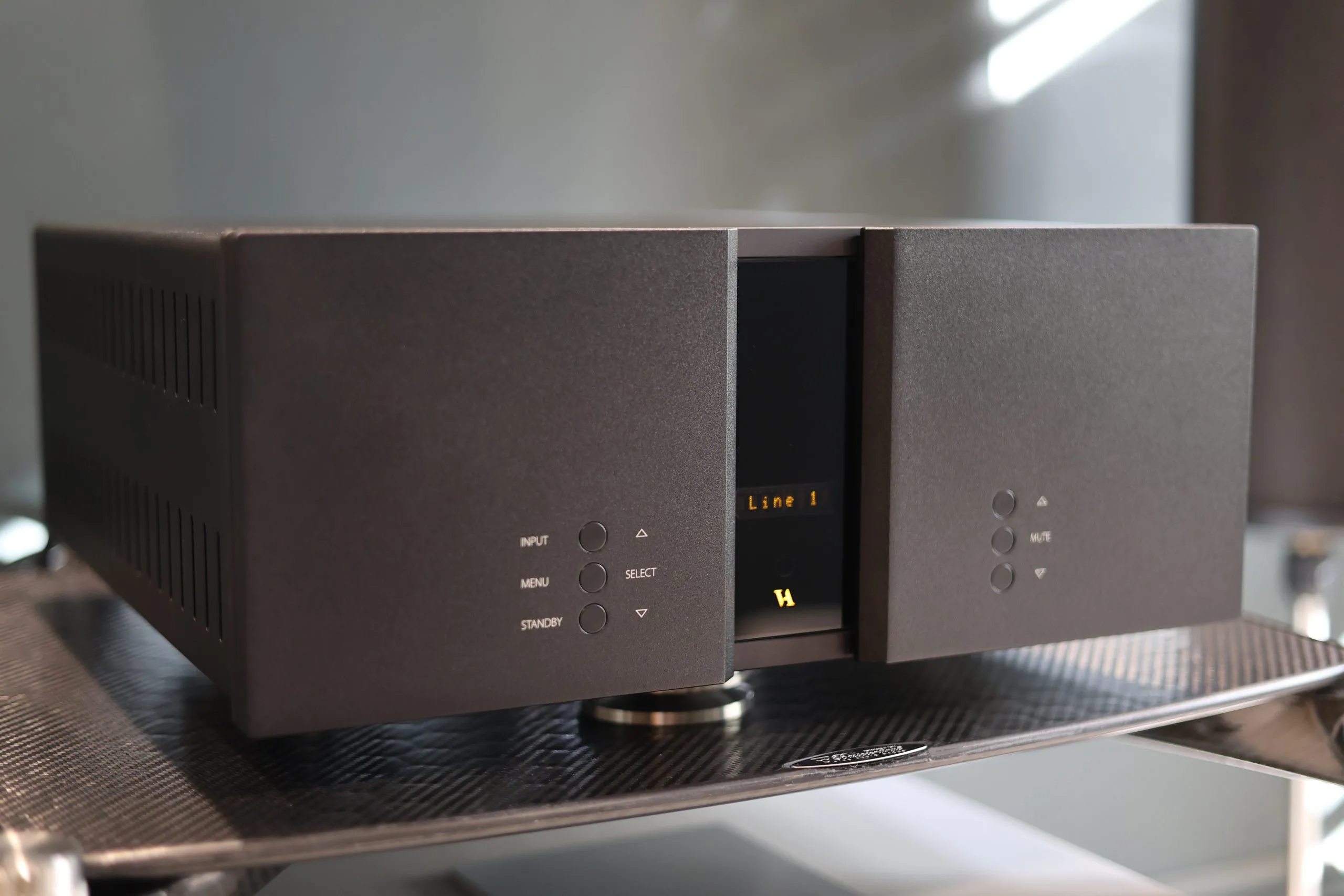
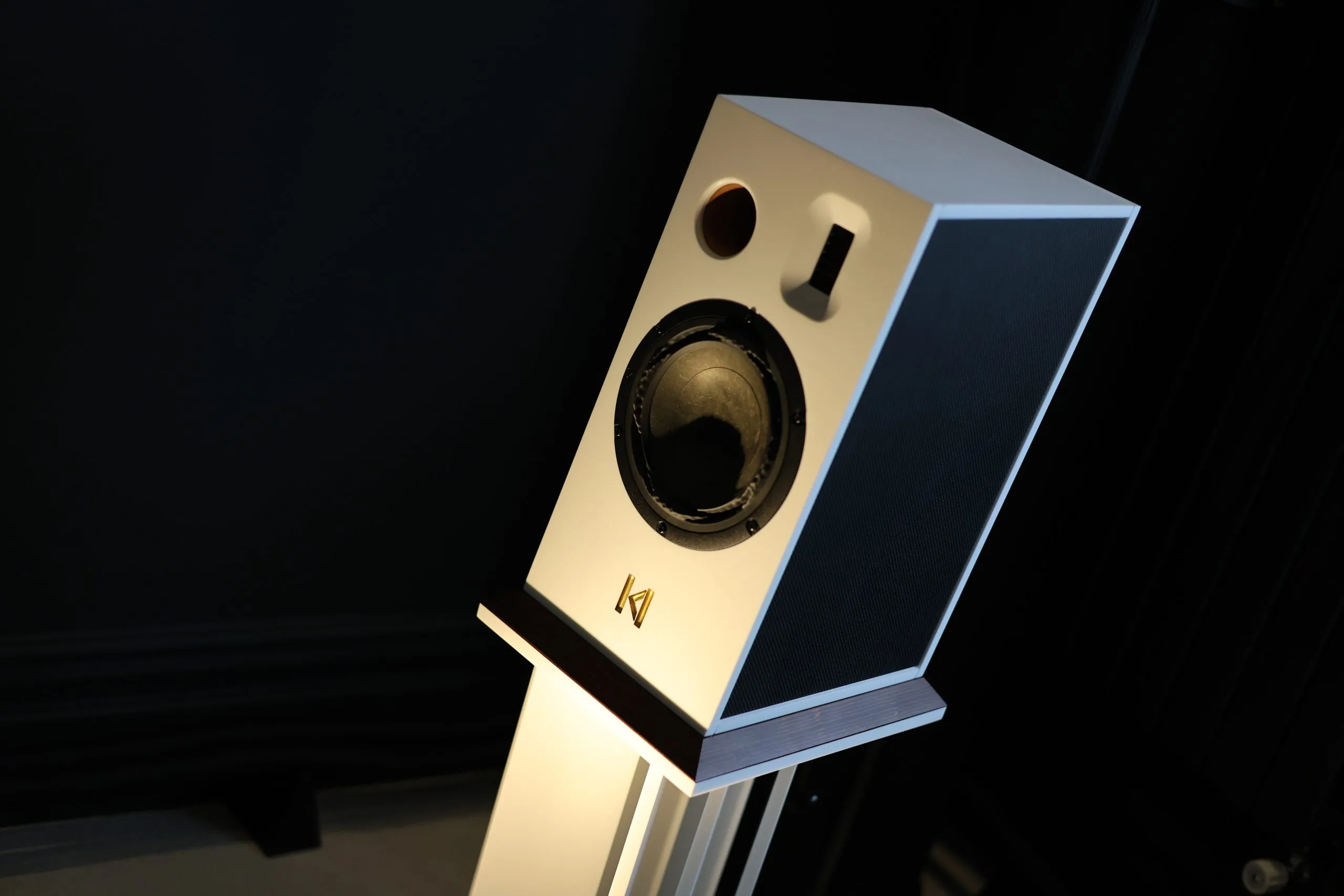
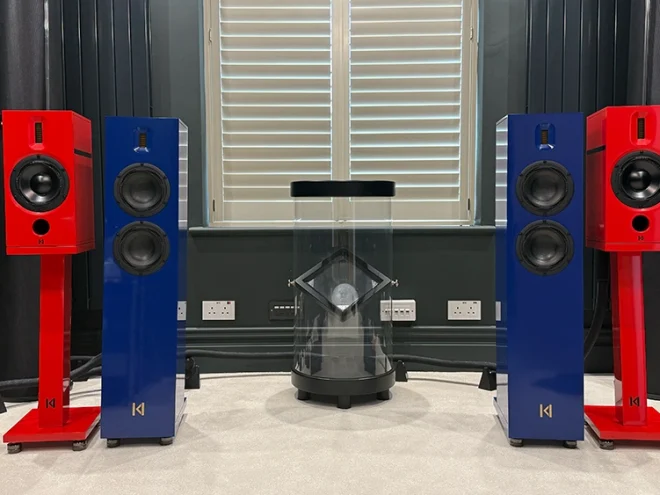
I partnered the RI-101 with an AQWO 2 and a pair of Kroma Atelier Mimi Loudspeakers. The Mimi are a delightful little speaker, with a real ‘joie de vivre’. Anyone who vaguely follows the hi-fi show circuit (either virtually or in person) will have no doubt come across Kroma over the past few two or three years. They are really starting to make in-roads and are gaining traction as a brand, they had five different pairs of speakers in use at the recent High End Show in Vienna at varying levels and the feedback across all of them could not have been better.
The Mimi have a wonderfully compelling presentation and they are an incredibly musical and engaging loudspeaker. And when combined with the RI-101/AQWO 2, they make for a superb combination. The system is a touch demure sounding and the presentation is incredibly refined and composed. A full loom of Shunyata Theta completed the cabling (power cables direct to the wall, XLR cable, ethernet cable, and speaker cable). There is no shortage of detail or insight and the music plays with real ease, textures, and tonal density are first rate.
With a cabling switch to Transcendence and playing back the same tracks, it is immediately apparent that the overall presentation has shifted. The Vitus/ Metronome/ Kroma combination gains clarity and focus and this makes the music sound more vibrant and alive. The music gains confidence in the room and there is a real exuberance with the way in which the music is presented. The system has greater insight but without becoming forced or analytical, there is greater focus, improved dynamics, and there is further projection into the room.
The Vitus SIA-025 is another favourite amplifier here at Audio Therapy and I’d argue that sonically this Class A unit is a touch more creamy, with greater allure and charm than the RI-101. And with the SIA in the system, I’d argue the OePhi brings even more out of it. For me here the realism levels take a giant leap forward and it really develops the way system presents the music.
I also spent a considerable amount of time with the Avalon PM1.2 in the same system. Avalon are a brand like OePhi who place considerable emphasis on timing and coherence. I ran the system with a complete loom of Shunyata Alpha X and eventually changed the cabling to a combination of OePhi Transcendence and Immanence.
The Shunyata presentation with the Alpha X is huge – a really big, inviting sound. Tonally, it sits just to the warmer side of neutral and it is something I can listen to for hours. It has a real sweetness to it.
Swapping out to the OePhi cables, the Avalon gained a real sense of speed and agility and it became a more much precise sound. Avalon are famed for the 3D soundstage and it became almost etched in the room.
OePhi or Shunyata?
This ultimately comes down to system synergy, and what works best for you in your room.
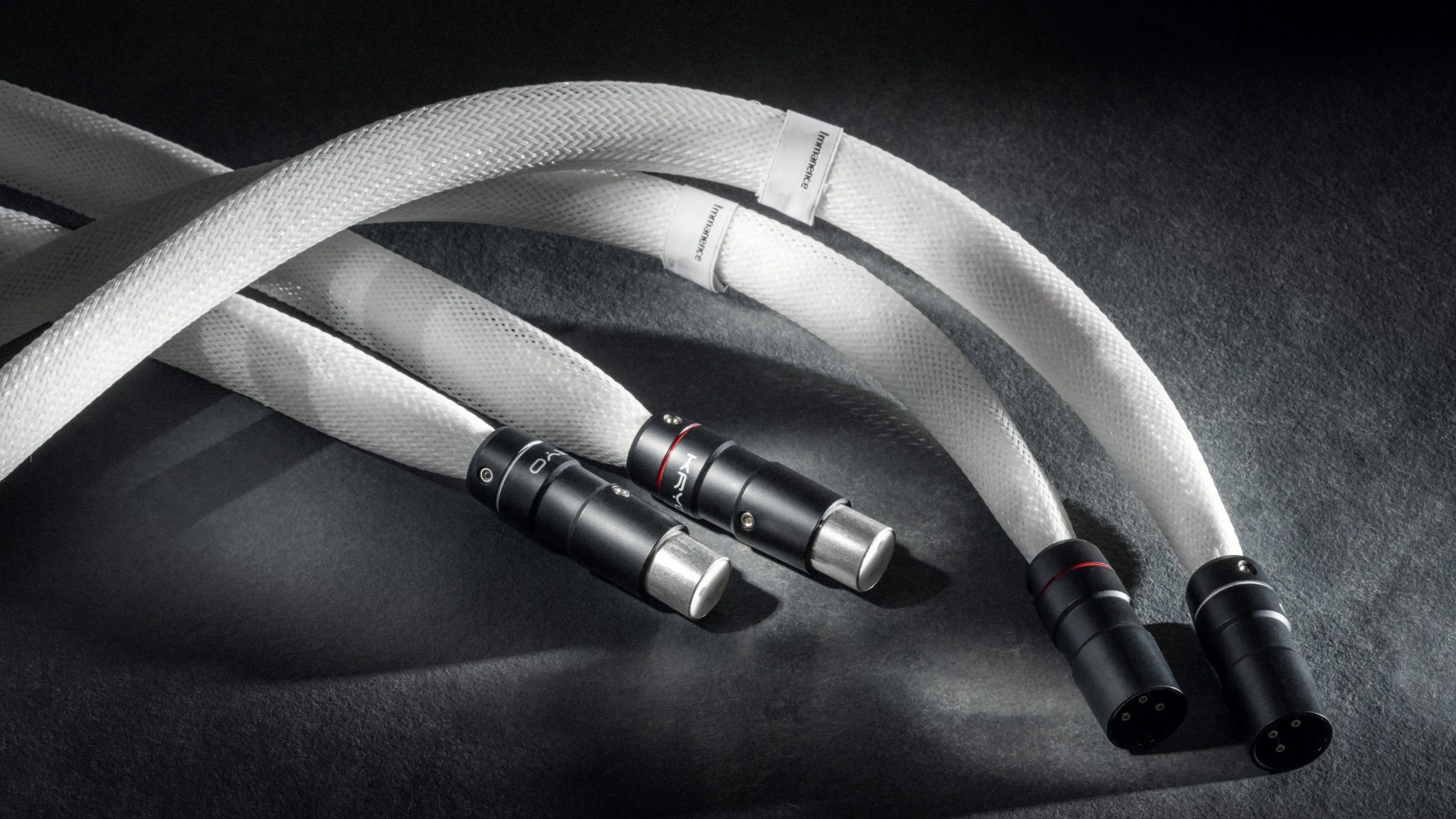
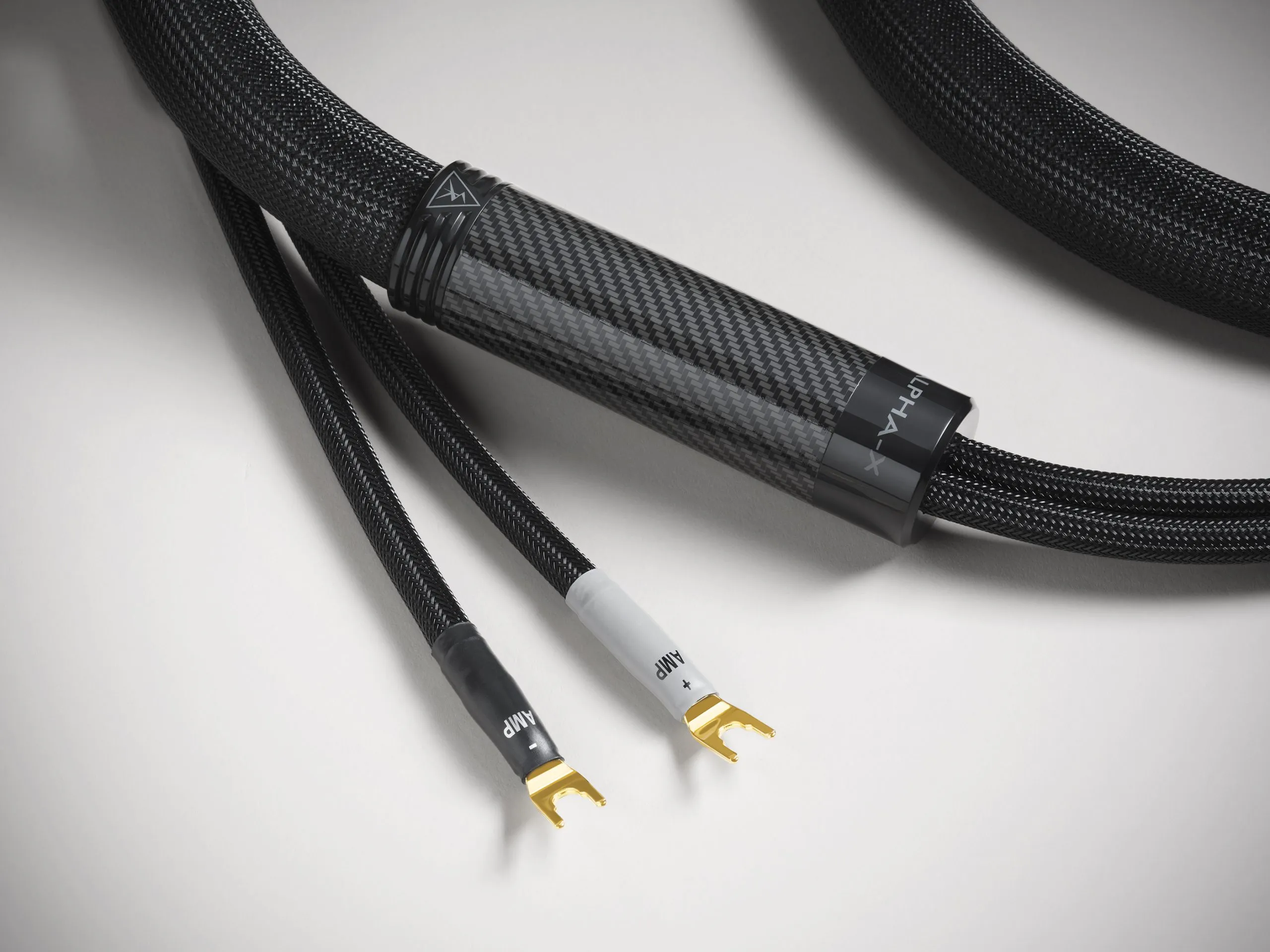
If you have a system which times poorly or sounds slow, ponderous, and overly heavy sounding, the addition of some OePhi cable will potentially correct the misgivings of your system and provide greater insight and realism. Also, many systems simply lack overall definition and can sound somewhat flat and one-dimensional and the speed and linearity of the OePhi cables can really pull a system out of trouble.
Equally, if your system is already incredibly insightful or a little analytical, you may find the addition of some Shunyata could be a better balance. It is so important to stress that there is no single ‘best cable’ or solution for a system. The term ‘there are many ways to skin a cat’ springs to mind here.
Both the Shunyata and OePhi are both demonstrably excellent cables, but they are quite different to one another. Whilst I’ve been writing this blog post this is something I’ve been thinking about a lot, because on the surface both OePhi and Shunyata look like they’re competing for the same customer — but they really aren’t. Some customers will prefer one brand to the other, and vice versa.
Sonically, the differences between them both is quite consistent and repeatable
Shunyata’s improvements arrive through subtraction. You hear a quieter background, better separation, and a lowering of noise across the whole presentation. Detail that was previously masked by noise comes forward. The effect is often described as more black between the notes, and that’s fairly accurate. It’s deeply satisfying in so many systems, especially ones where noise is a problem, which, in practice, is most systems to some degree.
OePhi does something different. The background doesn’t necessarily get quieter in the same obvious way, but what changes is the sense of authority and immediacy in the music. Transients are sharper, dynamics feel less constrained, there’s a rhythmic confidence that wasn’t there before. It’s less about removing something and more about allowing the component to do its job without restriction. The pace of the music changes. Things feel more alive rather than more refined, if that distinction makes sense.
Put another way, Shunyata tends to make systems sound more composed. OePhi tends to make them sound more energised. Where it gets really interesting from my perspective is that these aren’t competing solutions to the same question — they’re actually answers to different questions. And most customers have both questions, even if they don’t know it yet!
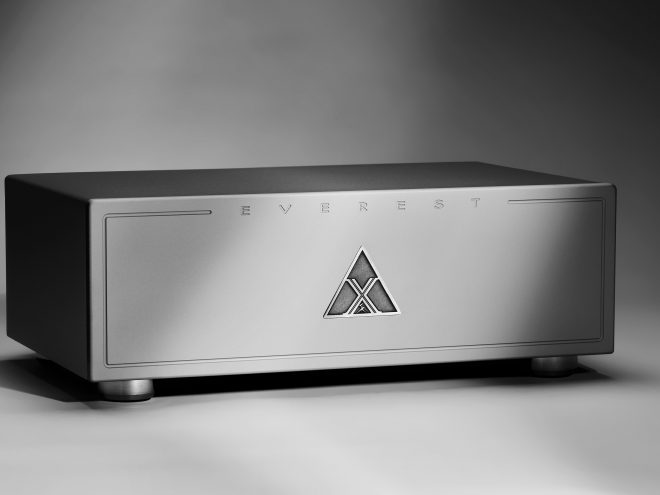
Of course, there is nothing stopping somebody integrating both OePhi and Shunyata together in a system. I’ve had customers run Shunyata power cables into one of their conditioners like a Typhon T2 or Everest X and OePhi signal cables to complete the system, and that combination can be exceptional. You can, to some degree, address both problems simultaneously rather than compromising on one.
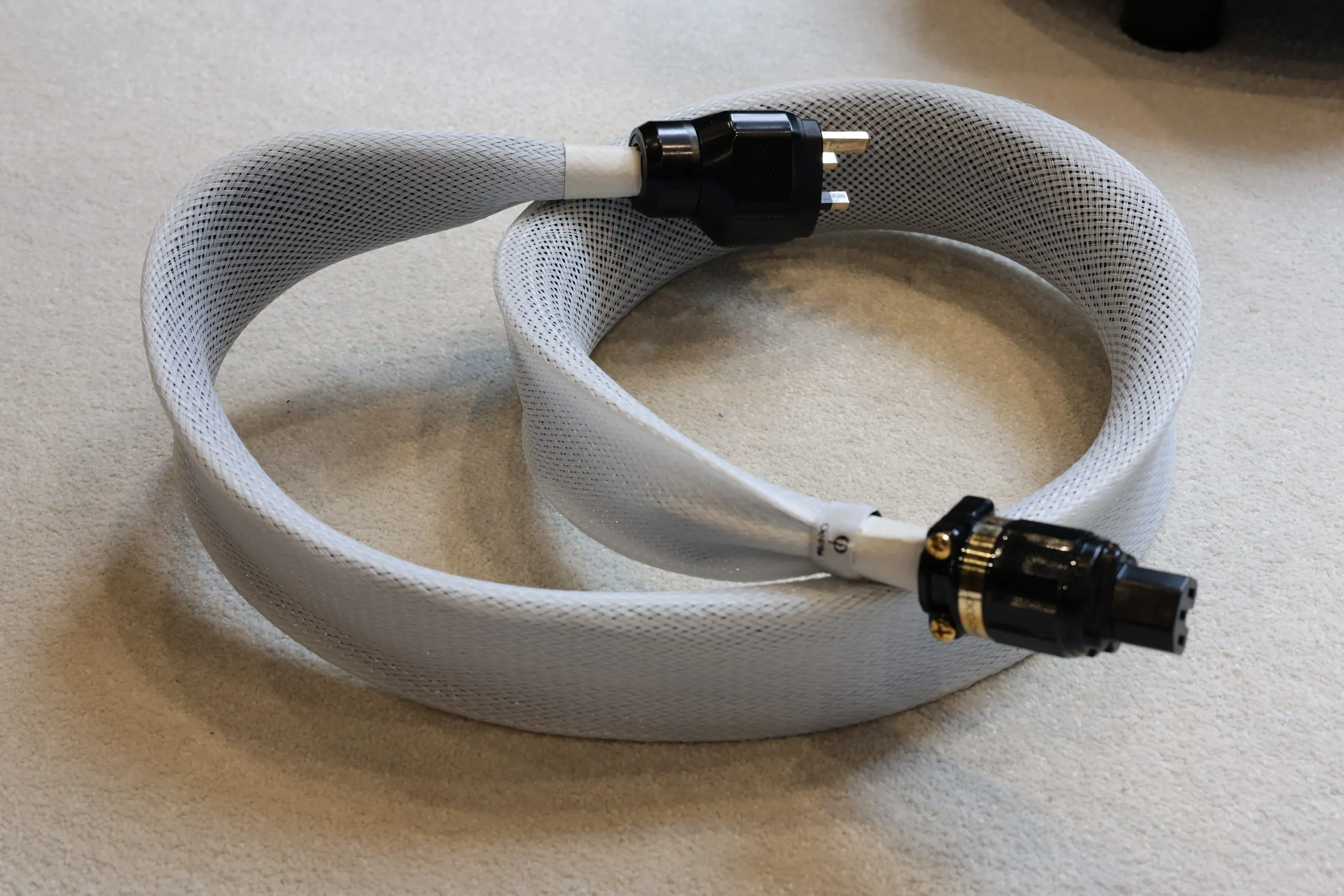
If someone gets in touch and they have a noise problem – a congested soundstage, flat dynamics, a kind of low-level greyness over everything – Shunyata is typically the first tool I reach for as it gets the foundation clean. But once that noise is dealt with, the OePhi question can become very relevant, because now you can actually hear what the cable’s current delivery characteristics are doing to the music. And at that point, OePhi can be transformative in a way that might have been masked before. Once dealt with effectively, that word of warning I mentioned earlier about OePhi revealing too much becomes much less relevant.
The fact that both brands have a genuine, coherent engineering philosophy behind them makes all of this easier to explain. Two different problems and two different solutions, both backed by real thinking from each company. This give customers more options to further to develop their system, whether it is focussed on OePhi or Shunyata, or a mixture. Both brands are hugely compelling and powerful devices to shape and enhance the performance of your system.
I keep an extensive selection of OePhi cables on demonstration, and an even larger selection of Shunyata Research. If you want to have a conversation about your system and how either cable brand could potentially work for your system, please don’t hesitate to reach out.